
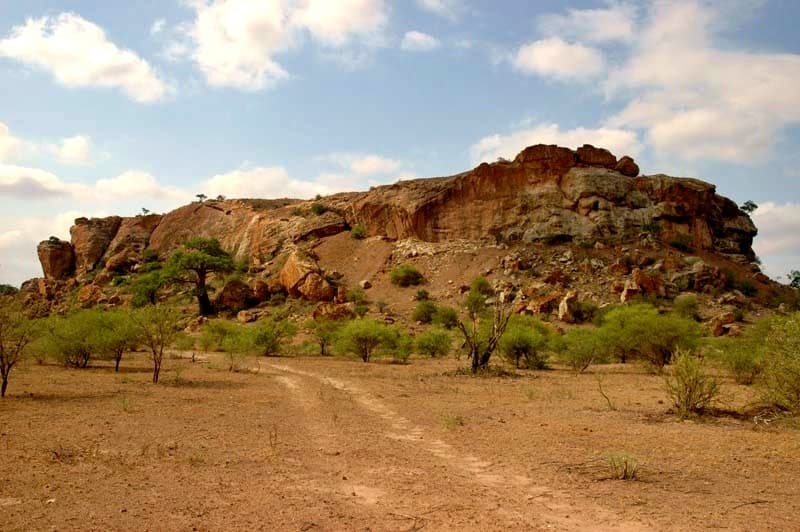
 JJ van Zyl, CC BY-SA 3.0 / Wikimedia Commons
Best time to visit
May to September — the dry, mild winter months, when days are pleasant, nights cool, and wildlife concentrates near the rivers after the punishing summer heat has passed.
Where the Limpopo and Shashe rivers meet, three countries touch and a flat-topped sandstone hill rises from the mopane bushveld. This is Mapungubwe, the heart of what South African heritage authorities and UNESCO describe as the first indigenous kingdom in the subcontinent — a trading state that rose and fell between roughly AD 900 and 1300. At its height the paramount ruler lived atop the hill while commoners occupied the plains below, an early physical expression of sacred, class-divided leadership in southern Africa.
Excavations of royal graves on Mapungubwe Hill in the 1930s revealed the kingdom's wealth: gold anklets, thousands of beads and delicate animal figurines, among them the celebrated golden rhinoceros — a 13th-century figure of gold foil tacked over a carved wooden core, recovered in 1934. The gold speaks to trade networks that reached the Indian Ocean ports of the East African coast. As the climate turned drier and Great Zimbabwe rose to the north, Mapungubwe was abandoned in the 14th century; in 2003 the site was inscribed on the UNESCO World Heritage List as the Mapungubwe Cultural Landscape.
Today the roughly 280 km² national park, managed by SANParks, guards both this archaeology and the wild frontier around it — riverine forest, giant baobabs and sandstone koppies grazed by elephant — as part of the Greater Mapungubwe Transfrontier Conservation Area spanning South Africa, Botswana and Zimbabwe. The dry winter months of May to September are the most comfortable for visiting, mild by day and cool by night, while summer days here can be punishingly hot.
Sources
Verified · 4 sources
- GovernmentMapungubwe Cultural LandscapeSouth African Heritage Resources Agency (SAHRA)
- MediaMapungubwe National ParkWikipedia
- Academic / referenceMeet the 800-year-old golden rhinoceros that challenged apartheid South AfricaThe Conversation
- OperatorLocation of Mapungubwe National ParkNature-Reserve.co.za
Facts last reviewed Aug 24, 2026.
More Culture & History
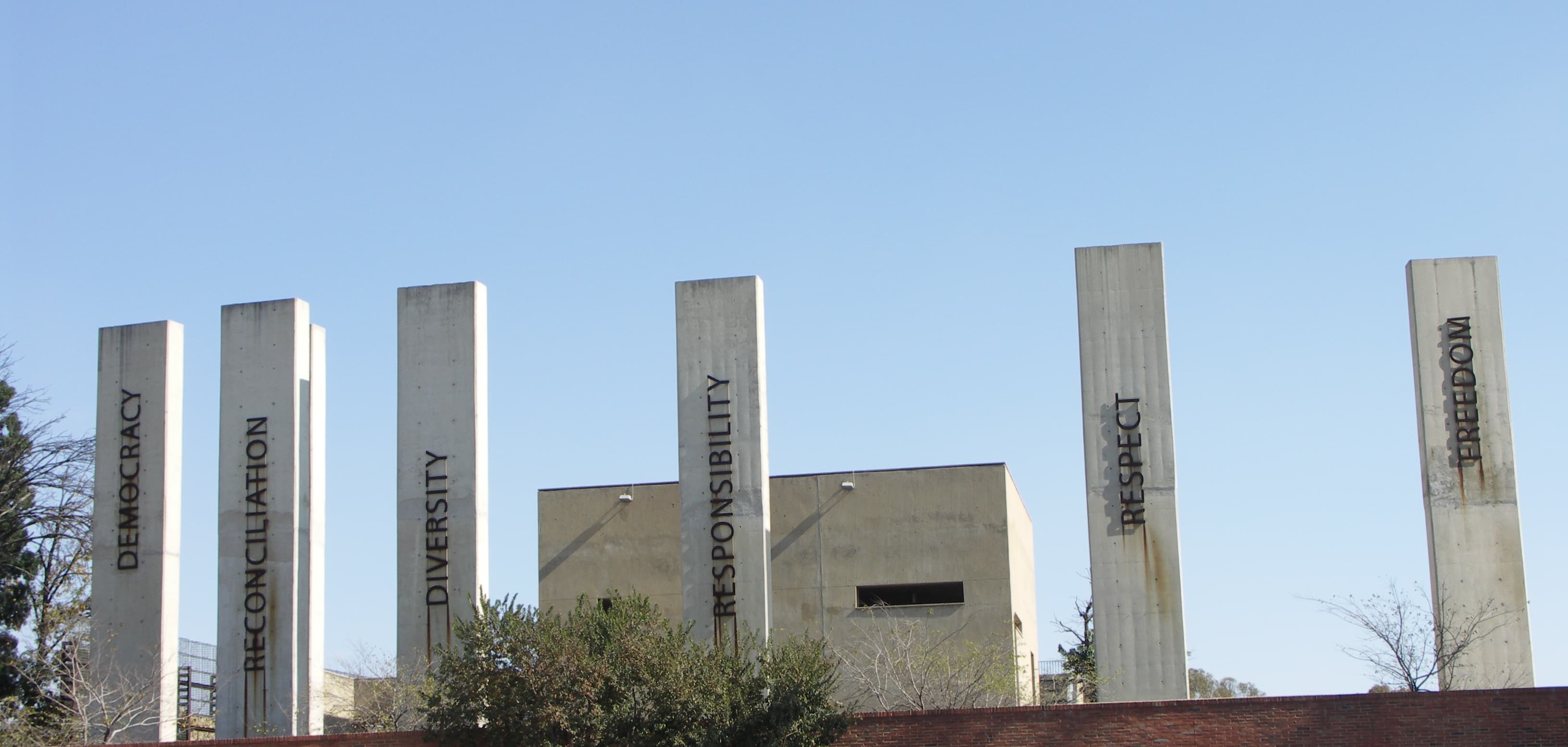 Culture & HistoryGauteng
Apartheid Museum
At the door you are handed a ticket marked "white" or "non-white" and directed to separate entrances, so apartheid's logic confronts you before a single exhibit does.
Verified · 4 sources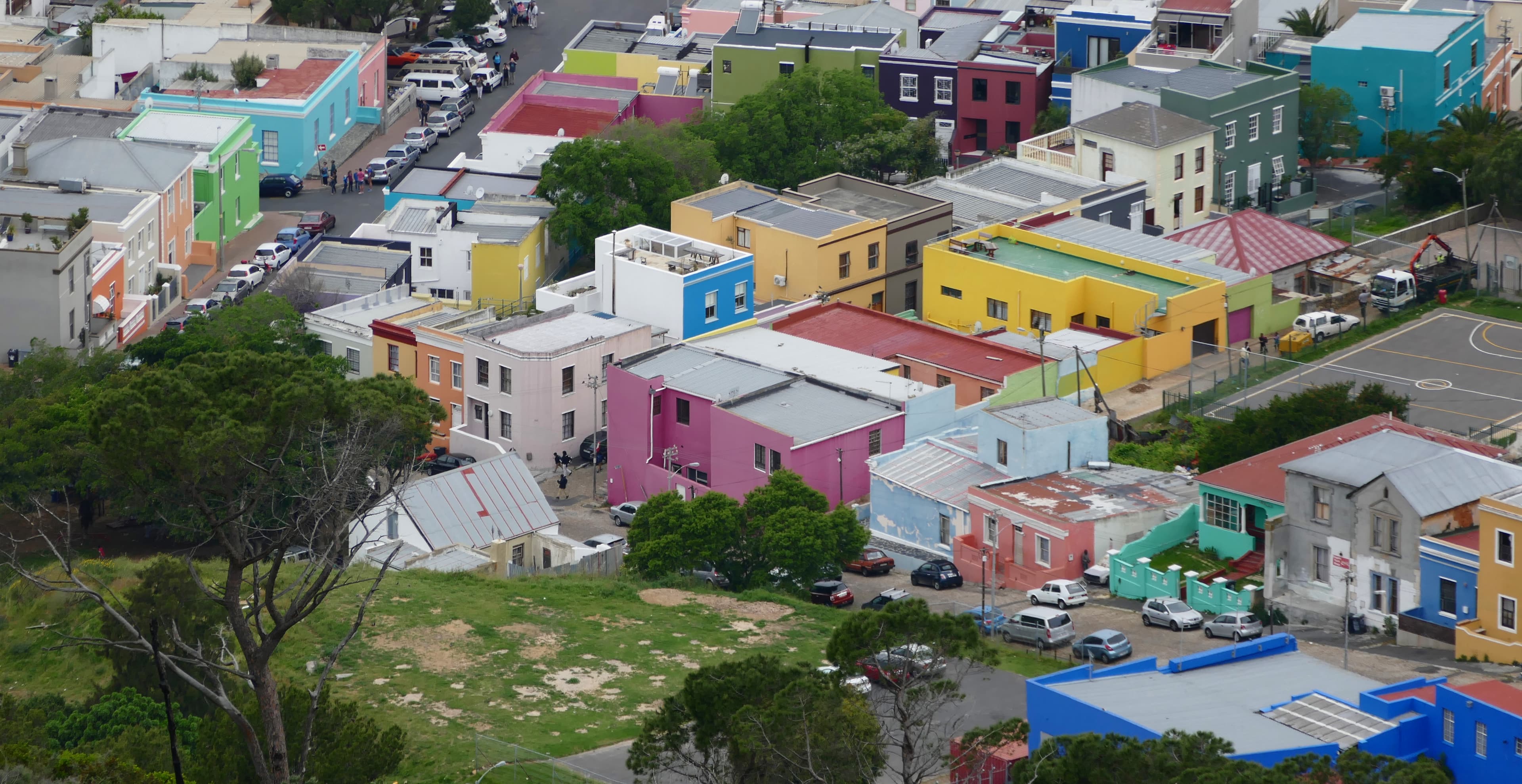 Culture & HistoryWestern Cape
Bo-Kaap
Beneath Signal Hill, a hillside of candy-bright houses and cobbled lanes holds Cape Town's oldest surviving residential quarter and the heart of Cape Malay culture.
Verified · 5 sources Culture & HistoryGauteng
Constitution Hill
A century-old prison where Gandhi and Mandela were once held now cradles South Africa's Constitutional Court: repression remade, brick by brick, into a monument to human rights.
Verified · 4 sources