
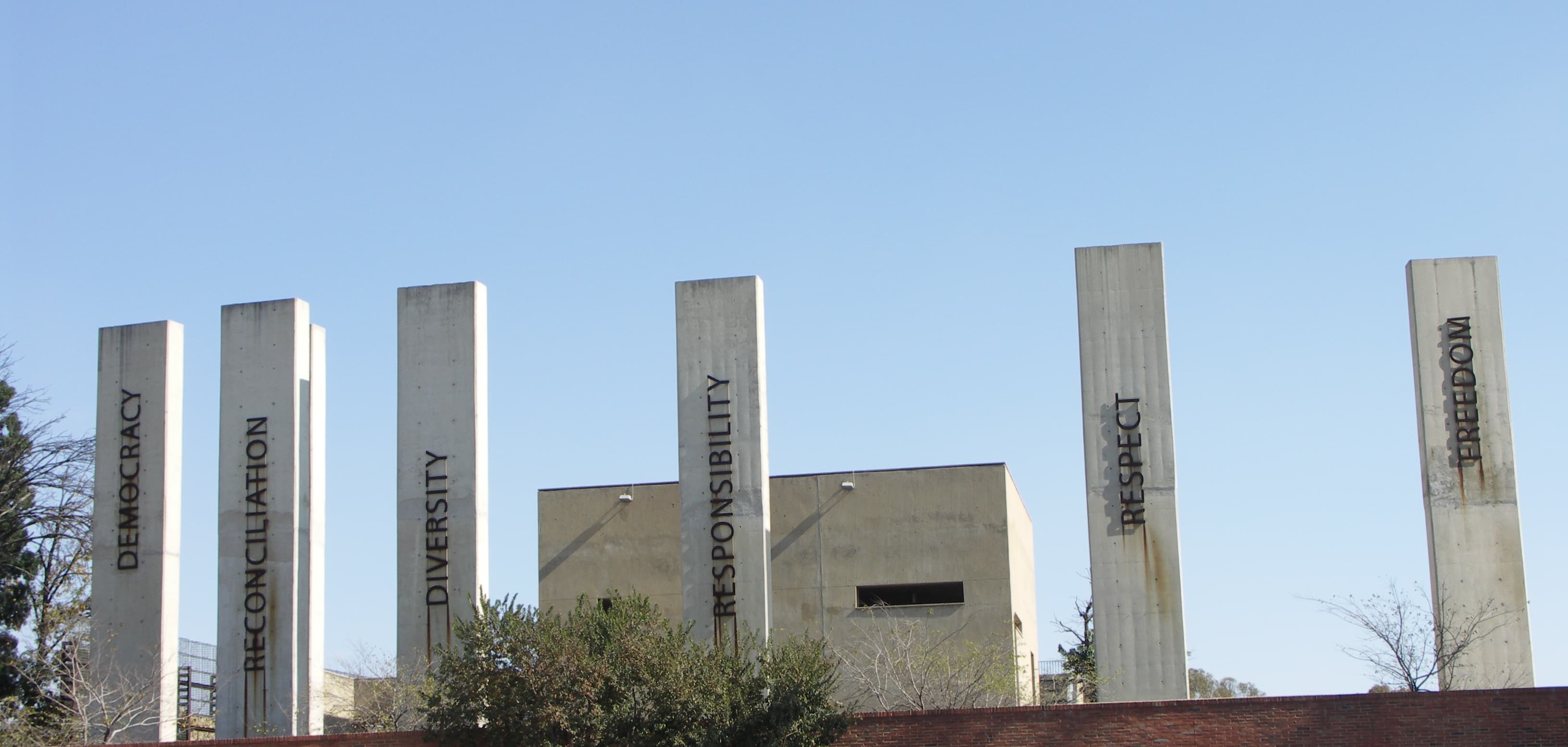
 NJR ZA, CC BY-SA 3.0 / Wikimedia Commons
Best time to visit
Open Tuesday to Sunday, 9am to 5pm (closed Mondays); a weekday morning is the quietest time, and most visitors need two to three hours to walk the full route. As an indoor museum it can be visited comfortably in any season.
Opened in November 2001 on a seven-hectare site next to Gold Reef City in Ormonde, south of central Johannesburg, the Apartheid Museum was the first institution built specifically to document apartheid, the system of legalised racial segregation that governed South Africa from 1948 to 1994. It was established by the non-profit Akani Egoli and rose as an offshoot of the Gold Reef City Casino development, whose licence bid carried a commitment to tourism and public benefit; the casino funded the roughly R80-million construction. An architectural consortium of several leading firms conceptualised the raw brick-and-steel building, and the museum today operates independently of the casino under its own board of trustees.
The experience begins outside the galleries. Each visitor is issued a ticket randomly classifying them as "white" or "non-white" and is ushered through one of two correspondingly labelled entrances, an immediate, disorienting taste of a society ordered by race. Beyond, more than 22 exhibition areas use film footage, photographs, text panels and artefacts to trace the story from early segregation through the apartheid era to the 1994 democratic transition. Displays include the race-classification identity documents that governed daily life, a hall commemorating the 131 government opponents executed under apartheid's security laws, the Pillars of the Constitution, and a dedicated Nelson Mandela exhibition, described by South African Tourism as the museum's most popular.
The museum describes itself as "the pre-eminent museum in the world dealing with 20th century South Africa," a claim rooted in its standing as the first purpose-built institution of its kind. Sober rather than triumphal, it presents apartheid's machinery and its dismantling in unflinching detail, and remains one of Johannesburg's most significant cultural destinations for understanding how the country arrived at its democracy.
Sources
Verified · 4 sources
- OperatorAbout Us – Apartheid MuseumApartheid Museum (official)
- Academic / referenceApartheid MuseumWikipedia
- Tourism boardThe Apartheid Museum, JohannesburgSouth African Tourism (southafrica.net)
- OperatorPolitical Executions – Apartheid MuseumApartheid Museum (official)
Facts last reviewed Aug 24, 2026.
More Culture & History
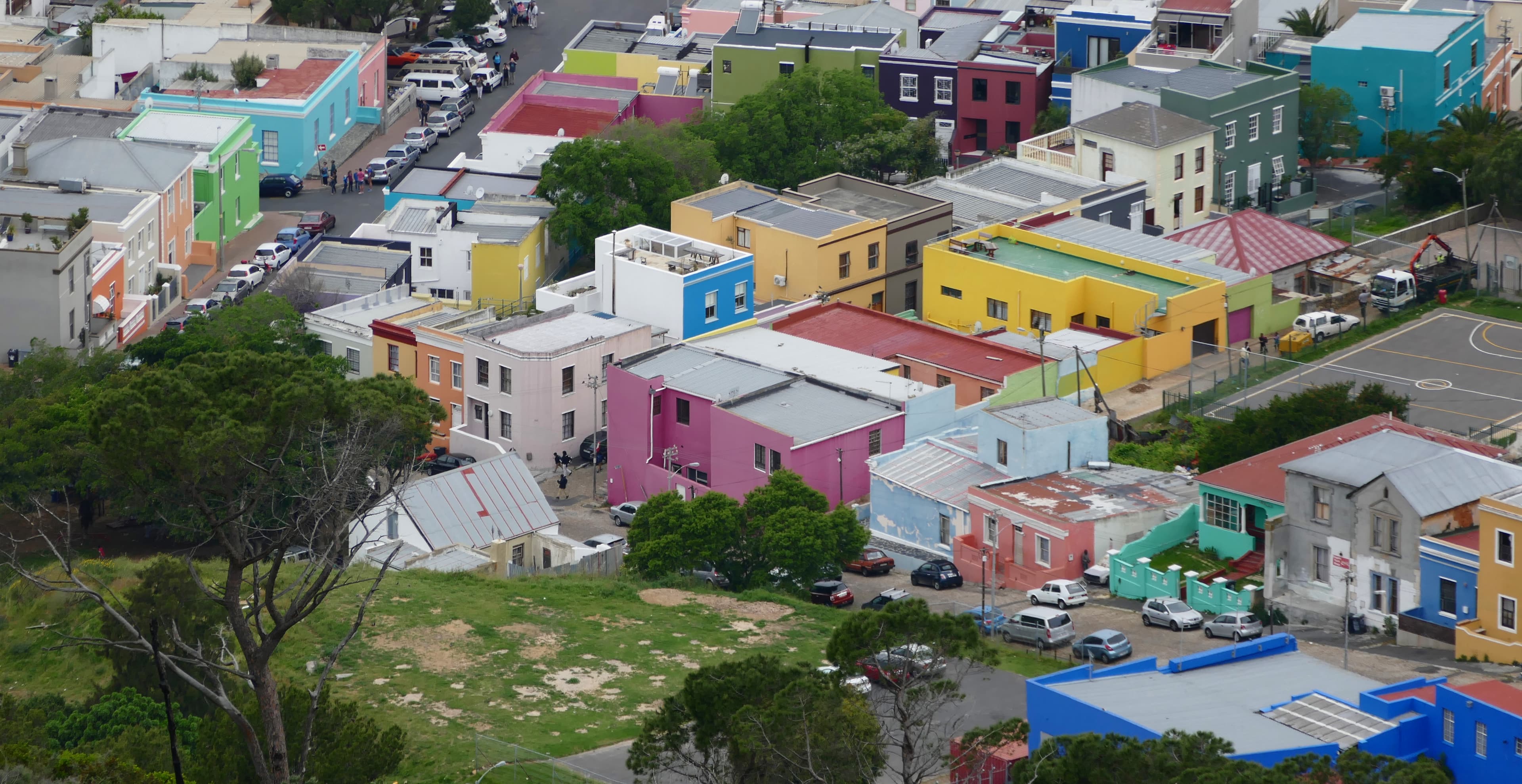 Culture & HistoryWestern Cape
Bo-Kaap
Beneath Signal Hill, a hillside of candy-bright houses and cobbled lanes holds Cape Town's oldest surviving residential quarter and the heart of Cape Malay culture.
Verified · 5 sources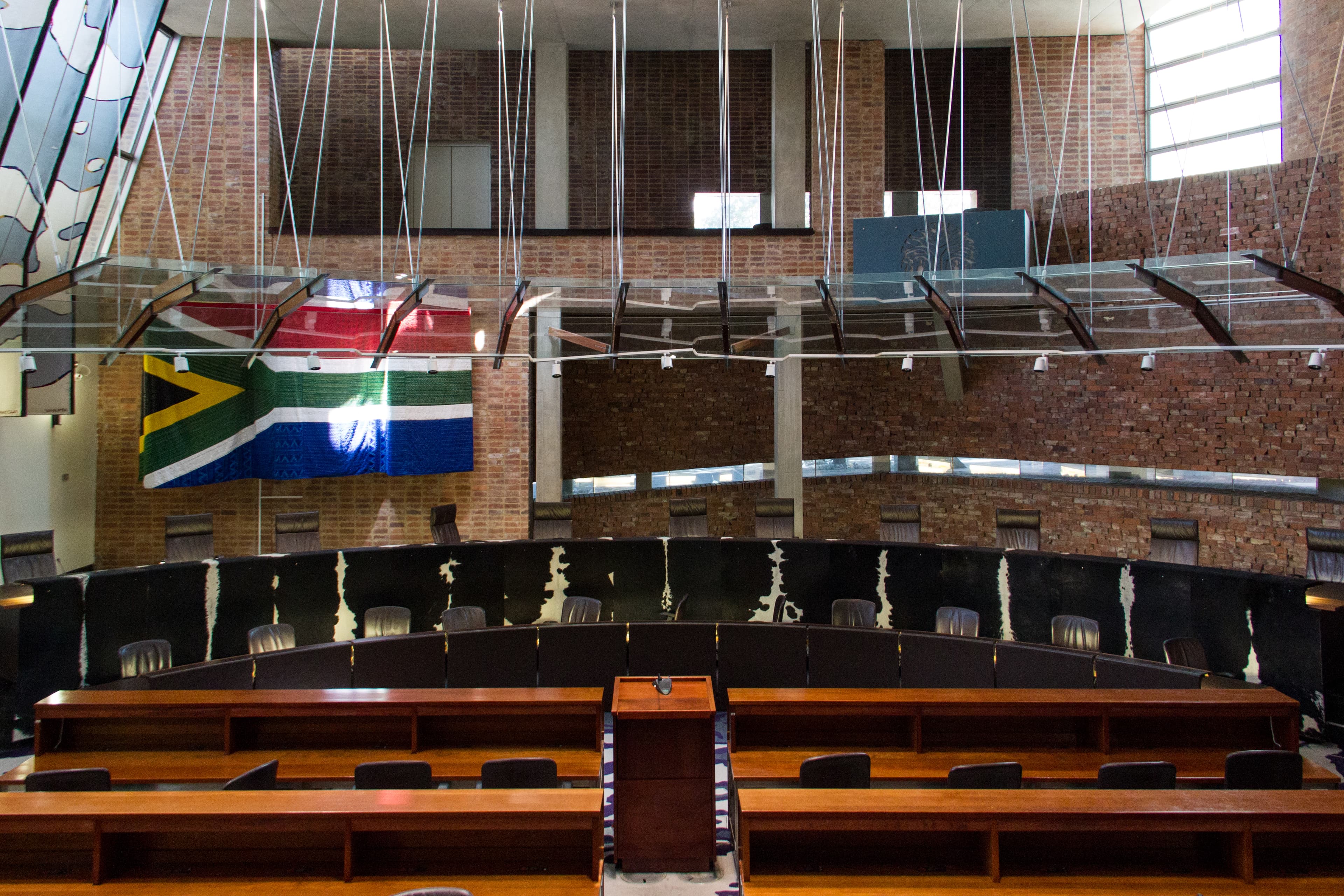 Culture & HistoryGauteng
Constitution Hill
A century-old prison where Gandhi and Mandela were once held now cradles South Africa's Constitutional Court: repression remade, brick by brick, into a monument to human rights.
Verified · 4 sources Culture & HistoryGauteng
Cradle of Humankind
The caves where some of our earliest ancestors were unearthed.
Verified · 2 sources