
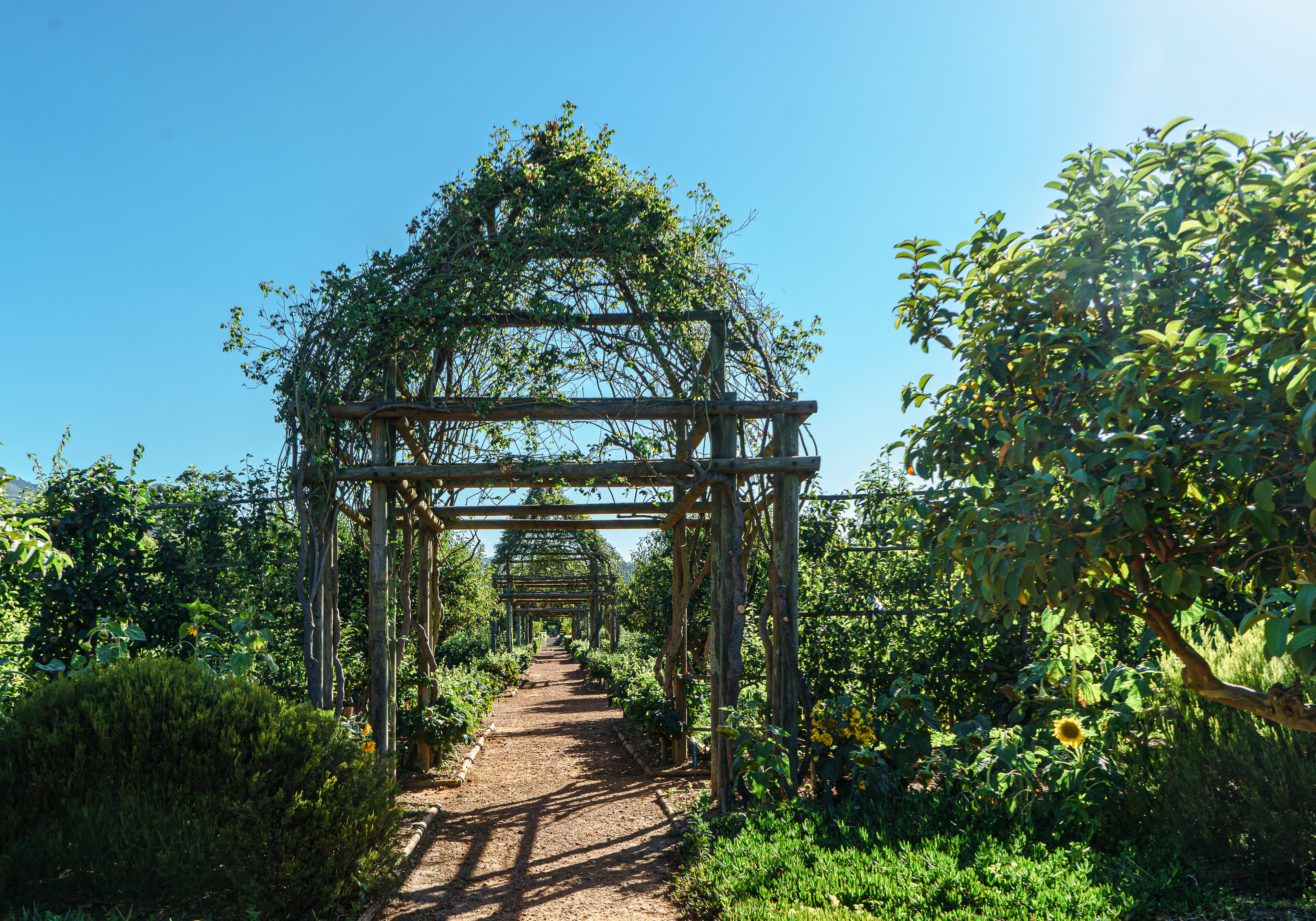
 Nina R, CC BY 2.0 / Wikimedia Commons
Best time to visit
Open daily year-round except Christmas Day. Spring (September to November) brings the clivias into flower, and the February-to-April harvest is the busiest time in the cellar; arrive early — the farm fills up by midday.
Babylonstoren sits on the floor of the Drakenstein Valley almost exactly halfway between Paarl and Franschhoek, and its bones are older than almost anything around it: the land is recorded as granted in 1692 to the burgher Pieter van der Byl by Simon van der Stel, then Governor of the Cape. Van der Byl planted the first vines here and redirected the watercourses to irrigate them. What survives from that century — the walled Cape Dutch werf with its gateway, the koornhuis wheat barn, the old cellar — was rebuilt in stone through the late 1700s and is now among the better-preserved groups of colonial farm architecture in the winelands.
The farm's modern fame is not architectural but horticultural. Koos Bekker and Karen Roos bought the property in 2007, and Roos commissioned the French garden architect Patrice Taravella — known for reconstructing a cloistered medieval garden at a restored twelfth-century French monastery — to lay out a formal garden on the flat ground beside the werf. The result covers roughly 3.5 hectares in fifteen thematic clusters: vegetables, stone and pome fruit, nuts, citrus, berries, bees, herbs, ducks, chickens, and a prickly-pear maze. Its model was the Company's Garden in Cape Town, planted to victual passing VOC ships. The rule that governs it is unusually strict — the estate states that every one of its 300-plus plant varieties is edible or has medicinal value — and water reaches the beds by gravity alone, down rills fed by a stream off the Simonsberg.
The garden opened to the public in 2010 and the farm has been a full-day destination ever since. It is open every day of the year except Christmas Day, and a guided garden tour leaves the Farm Shop at 10h00. Three restaurants — Babel, the Greenhouse and the Old Bakery — cook what the garden produces that week, and there is a farm shop, coffee roastery, gelato room, spa and hotel besides. Practical warnings from the estate are worth heeding: this is a working farm with animals, the paths are gravel and crushed peach pip rather than paving, and card payment is the only kind accepted.
Sources
Verified · 6 sources
- OperatorVisit Babylonstoren — Visitor InformationBabylonstoren
- OperatorAbout our GardenBabylonstoren
- Tourism boardBabylonstoren Garden TourFranschhoek Wine Valley (official tourism association)
- MediaBabylonstorenWikipedia
- MediaBabylonstoren: an historic garden in the makingThe Garden History Blog
- MediaBabylonstorenGreat Gardens of the World
Facts last reviewed Aug 27, 2026.
More Wine & Food
 Wine & FoodWestern Cape
Boschendal
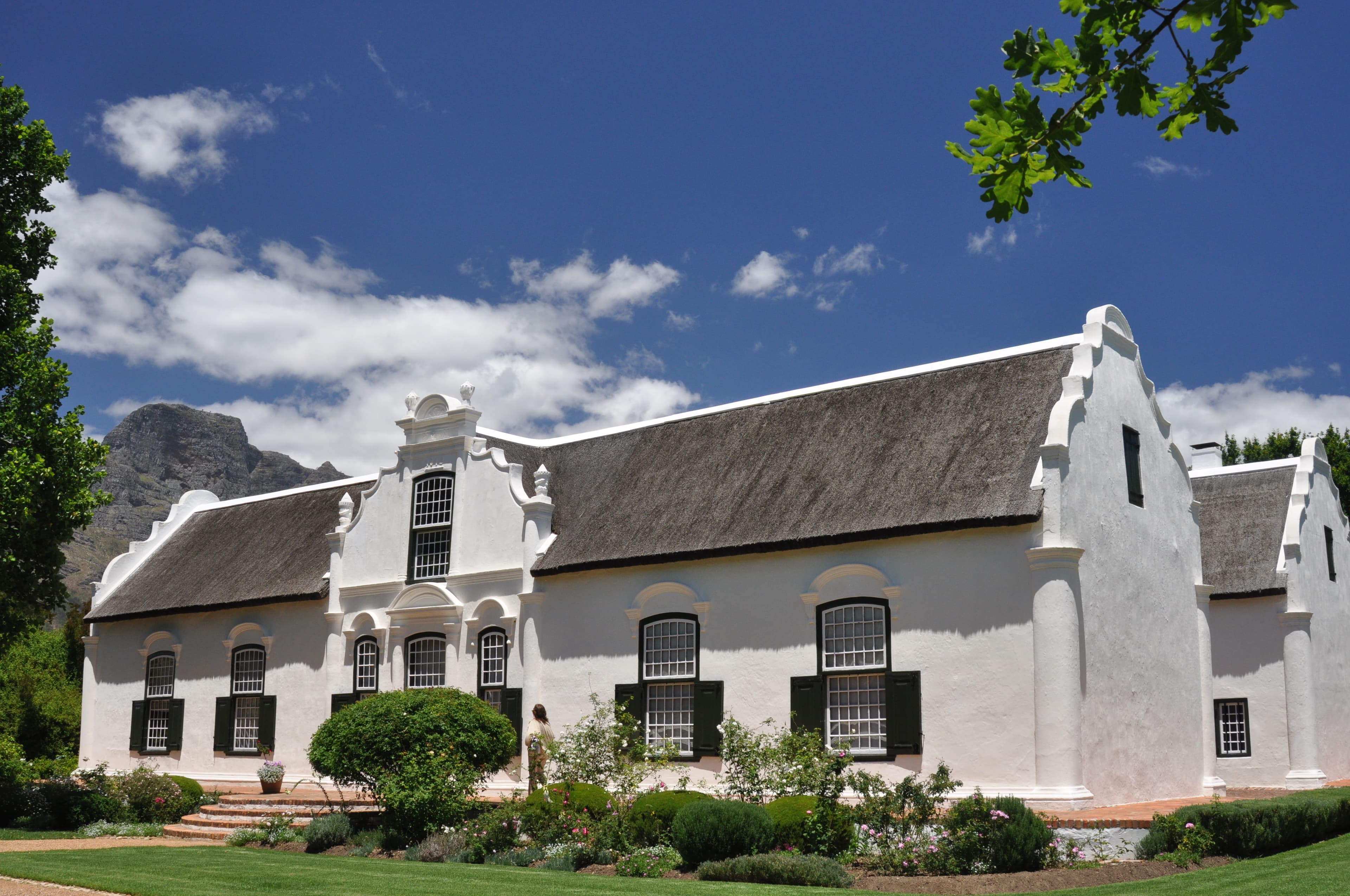
Title deeds dated 1685, a gable that still carries the initials of the couple who raised it in 1812, and a national heritage site at the heart of a roughly 1,800-hectare working farm.
Verified · 6 sources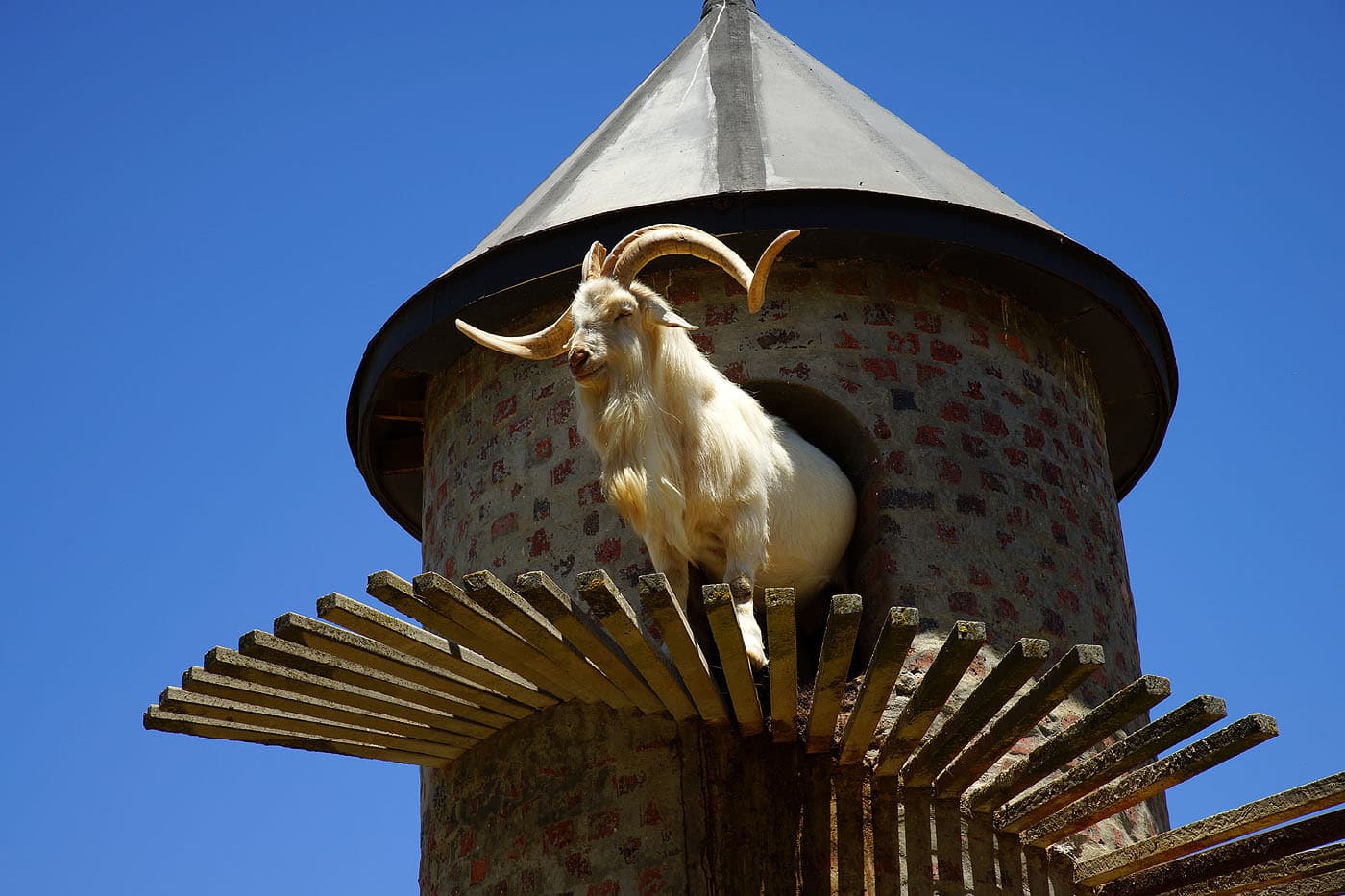 Wine & FoodWestern Cape
Fairview
A Paarl farm called Cauliflower Fountain in 1693, now better known for a two-storey tower its goats climb and a Rhône-baiting wine that made the French reach for their lawyers.
Verified · 6 sources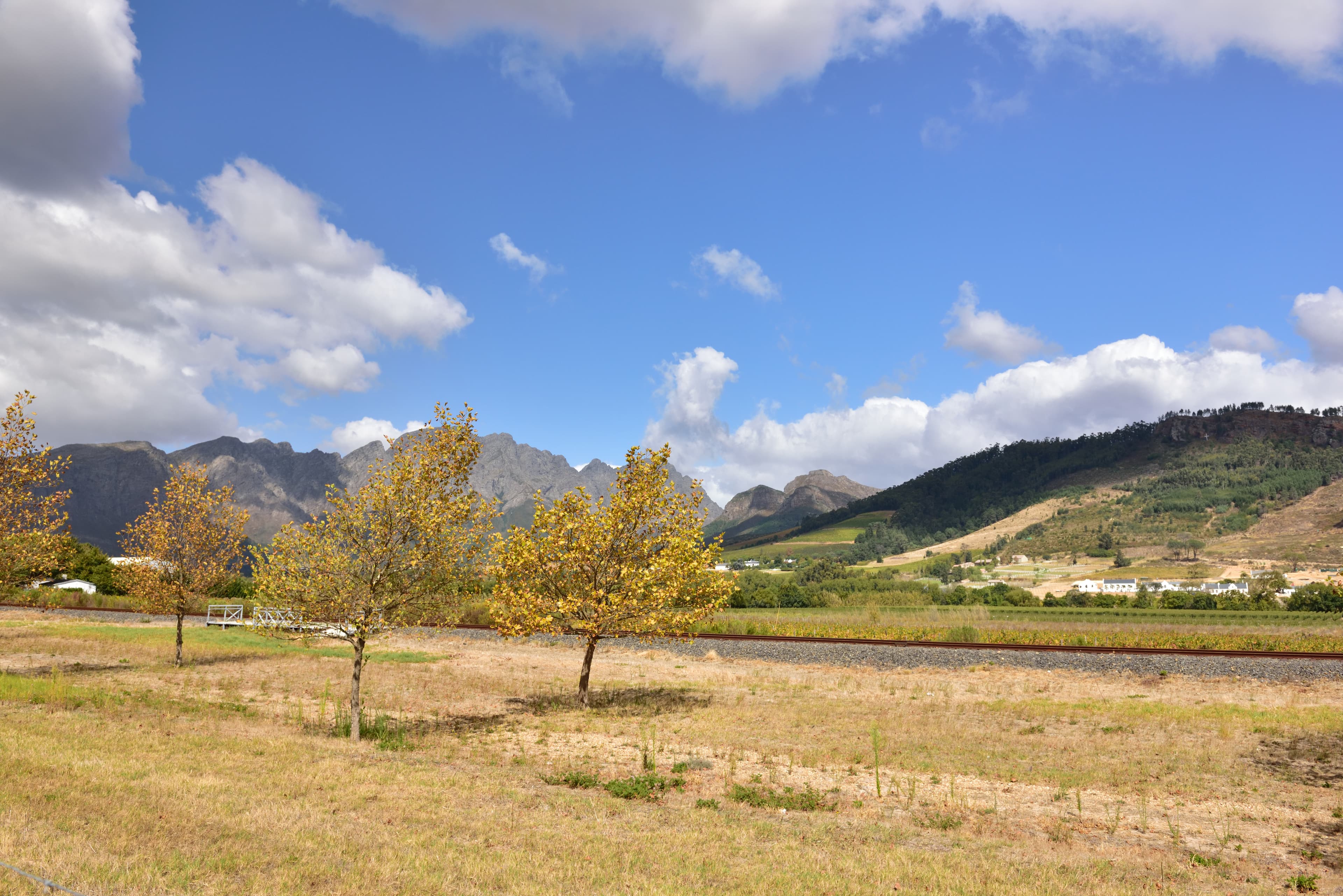 Wine & FoodWestern Cape
Franschhoek
A French Huguenot refuge cupped in a mountain-ringed valley, where Cape Dutch wine estates and a hop-on tram trade on more than three centuries of the vine.
Verified · 4 sources