
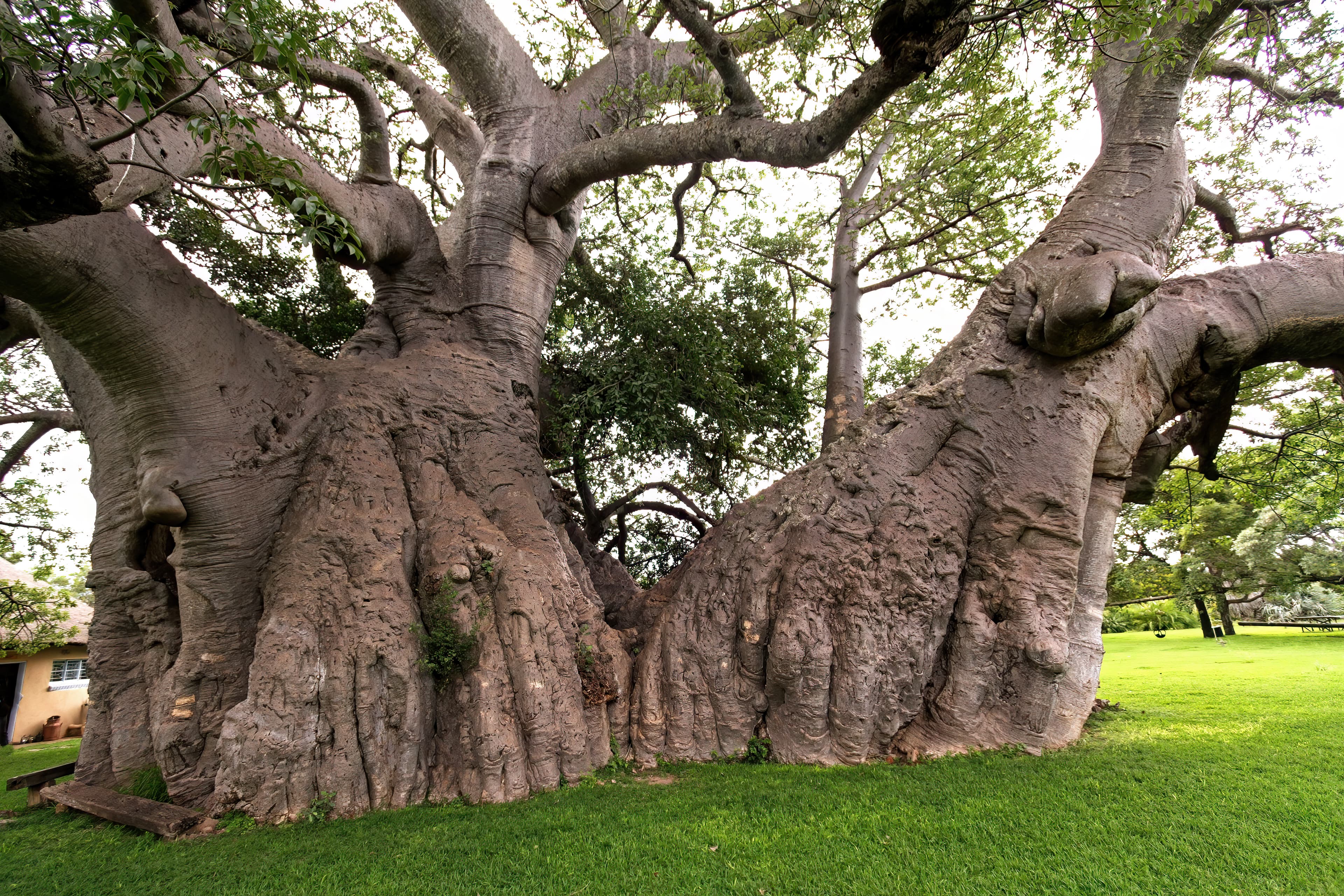
 SAplants, CC BY-SA 4.0 / Wikimedia Commons
Limpopo is South Africa's bushveld frontier — hot, wild and thickly wooded. Classic savanna and mopane woodland roll across the Waterberg and Soutpansberg mountains and out to the baobab-studded far north. Here you find the larger, wilder northern half of the Kruger, the malaria-free Big Five of Marakele, and Mapungubwe, where a thousand-year-old African kingdom once traded gold across the Limpopo River.
- Biome
- Savanna — bushveld & mopane woodland
- Climate
- Hot subtropical, summer rainfall
- Best time
- Jun–Sep — cooler, dry, easiest game viewing
Biodiversity & landscape
Limpopo is dominated by the Savanna biome — classic bushveld of acacia and mopane, sitting mostly between about 800 and 1,200 m and watered by moderate summer rain. The Waterberg and Soutpansberg massifs lift the land into higher-rainfall, more diverse country, while the hot far north is baobab territory. The province holds the Mapungubwe Cultural Landscape, a UNESCO World Heritage Site since 2003, which protects the setting of a kingdom that flourished from around AD 1075 to 1220 near the meeting of the Limpopo and Shashe rivers.
Fauna
Limpopo takes in the northern half of the Kruger National Park — larger, wilder and quieter than the south — where the Big Five roam among the park's 147 mammal and 507 bird species (SANParks' figures for Kruger as a whole). Away from Kruger, the malaria-free Marakele National Park in the Waterberg protects all of the Big Five and is known for a large breeding colony of Cape vultures on the Kransberg, while Mapungubwe adds riverine wildlife along the Limpopo.
Flora
Bushveld defines Limpopo: mixed acacia thornveld, and mopane woodland that often forms near-single-species stands on the heavier soils of the north. The province's emblem is the baobab (Adansonia digitata), which in South Africa grows only in the warm north — the giant Sagole Baobab measures more than 10 m across the trunk and stands some 22 m tall, with the largest trees thought to be around 2,000 years old.
Where to go
- Northern Kruger — remote big-tusker and birding country, far from the crowds.
- Mapungubwe National Park — archaeology, the famous golden rhinoceros heritage and the Limpopo–Shashe confluence.
- Marakele National Park and the Waterberg — malaria-free Big Five and a spectacular vulture colony.
- Baobab country — the giant trees north of the Soutpansberg, around Musina and the Sagole tree.
Weather & when to visit
Limpopo has a hot, subtropical, summer-rainfall climate. Summers (October–March) are hot, with Lowveld towns like Phalaborwa climbing well into the 40s°C and rain peaking in January and February; winters are dry, mild and superb for game viewing. Malaria is present in the Lowveld, so the dry months of June to September — cooler, with thinner bush and lower risk — are the sweet spot for a safari. The Waterberg, including Marakele, is malaria-free year-round.
Places in Limpopo
 Adventure & ActivitiesLimpopo
Magoebaskloof Canopy Tour
Glide between treetop platforms on zip-lines up to 150 m long, soaring over three waterfalls in Limpopo's misty Groot Letaba gorge.
Verified · 2 sources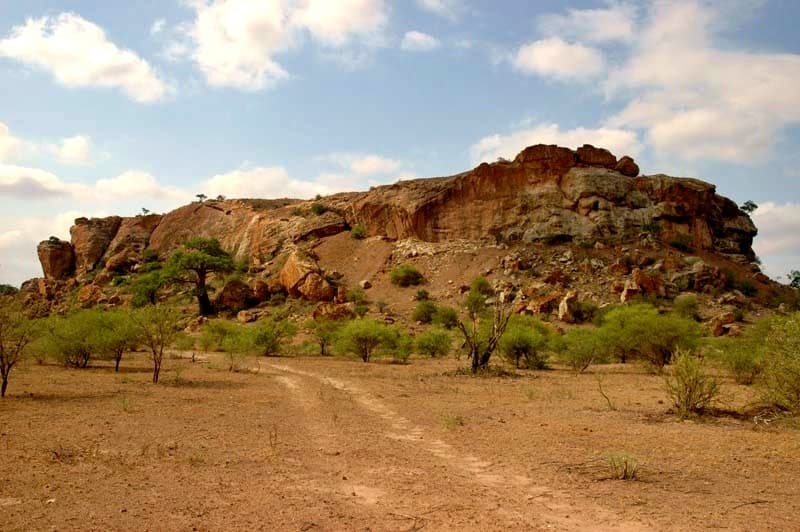 Culture & HistoryLimpopo
Mapungubwe National Park
Where the Limpopo and Shashe rivers meet, a sandstone hill holds the graves of kings buried in gold — the heart of what UNESCO describes as southern Africa's first kingdom.
Verified · 4 sources
Sources
Verified · 6 sources
- UNESCOMapungubwe Cultural Landscape — UNESCO World Heritage ListUNESCO World Heritage Centre
- GovernmentKruger National Park — mammals and biodiversitySANParks
- Tourism boardMarakele National Park — wildlife sanctuary in the WaterbergSouth African Tourism (southafrica.net)
- GovernmentAdansonia digitata (baobab)SANBI — PlantZAfrica
- Academic / referenceBushveldEncyclopaedia Britannica
- MediaLimpopo weather and climateSA-Venues.com
Facts last reviewed Aug 26, 2026.
Provincial capital confirmed via South Africa Info.