
 DocDaysleeper, CC BY-SA 4.0 / Wikimedia Commons
Best time to visit
The Cellar Door and restaurants open daily year-round; the signature werf picnics pause for winter from 1 June to 1 October, so aim for October to May — or the February-to-April harvest for the working cellar.
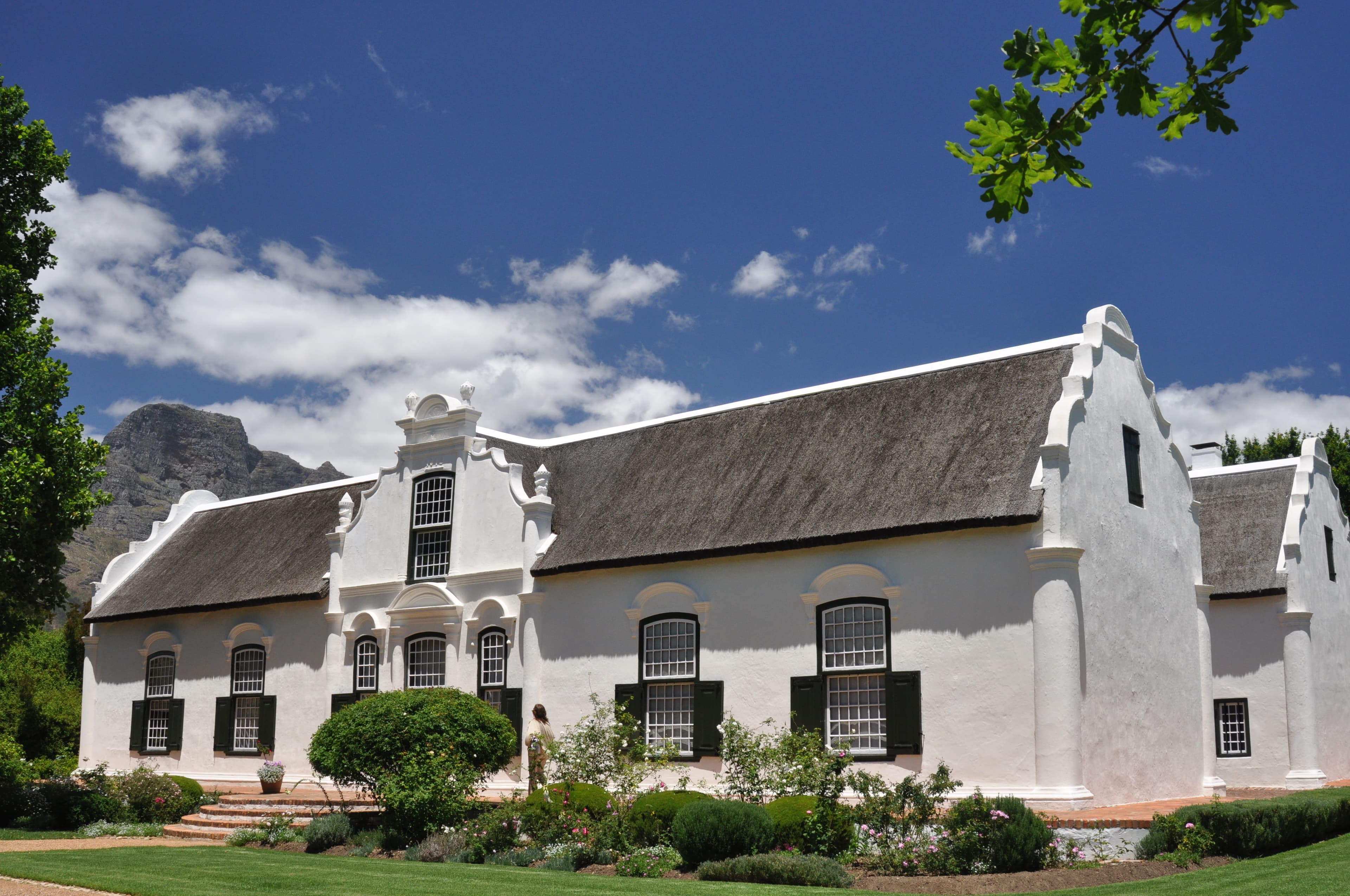
Boschendal occupies a broad valley basin between the Simonsberg and Drakenstein mountains, and its paperwork is among the oldest in South African farming: the title deeds are dated 1685, and the first man to farm here was Jean le Long, a French Huguenot. The two facts sit awkwardly together — the Huguenot party did not reach the Cape until 1688 — and sources split accordingly, some giving the grant as 1685 and others as 1688, with the surveyed deed itself not drawn up until 1713. What is not in dispute is what happened next. Abraham de Villiers took transfer of Le Long's grant in 1715, and the De Villiers family held Boschendal for 164 years, until 1879.
The building that made the estate famous went up under that family. In 1812 Paul de Villiers and his wife Anna Susanna Louw completed a new house, and their initials were worked into the plaster of its front gable alongside the date — the detail that later allowed restorers to correct a long-standing misreading of 1818. The H-shaped manor, its outbuildings ranged in two long parallel rows behind it and enclosed by a ring-wall, is described by the South African Heritage Resources Agency as "a unique and important Cape Dutch architectural group", and the Boschendal Founders Estate was declared a National Heritage Site on 13 February 2009. Between the De Villiers era and that declaration came a very different chapter: Cecil John Rhodes bought into the Drakenstein valley in the 1890s and folded Boschendal into Rhodes Fruit Farms, after phylloxera had destroyed its vineyards; restoration of the werf began in 1975, and the farmstead opened to the public for the first time in 1976.
Today Boschendal is farmed rather than merely preserved. The estate describes a basin of some 1,800 hectares including around 1,000 hectares of protected nature reserve, an alien-clearing and water programme begun in 2015, hundreds of thousands of replanted fruit trees, and grass-fed cattle, forest-fed pigs and free-range chickens rotated through the lands. Visitors taste in the Cellar Door, the oldest building on the werf, open daily with pre-booking advised. The Deli serves farm food and wood-fired pizza, there is a farm shop and butchery, and the werf picnics — baskets eaten on the lawns under the oaks — run through the warmer months, pausing from 1 June to 1 October. Horse riding, marked hiking and mountain-bike trails, a tree house and a pump track fill the rest of a long afternoon.
Sources
Verified · 6 sources
- GovernmentBoschendal Founders Estate (National Heritage Site record)South African Heritage Resources Agency (SAHRA)
- Academic / referenceBoschendal Wine Estate, Cape TownSouth African History Online
- Academic / referenceThe History and Restoration of BoschendalThe Heritage Portal
- OperatorThe EstateBoschendal Wines
- OperatorPicnicsBoschendal
- Tourism boardBoschendal WinesFranschhoek Wine Valley (official tourism association)
Facts last reviewed Aug 27, 2026.
More Wine & Food
 Wine & FoodWestern Cape
Babylonstoren
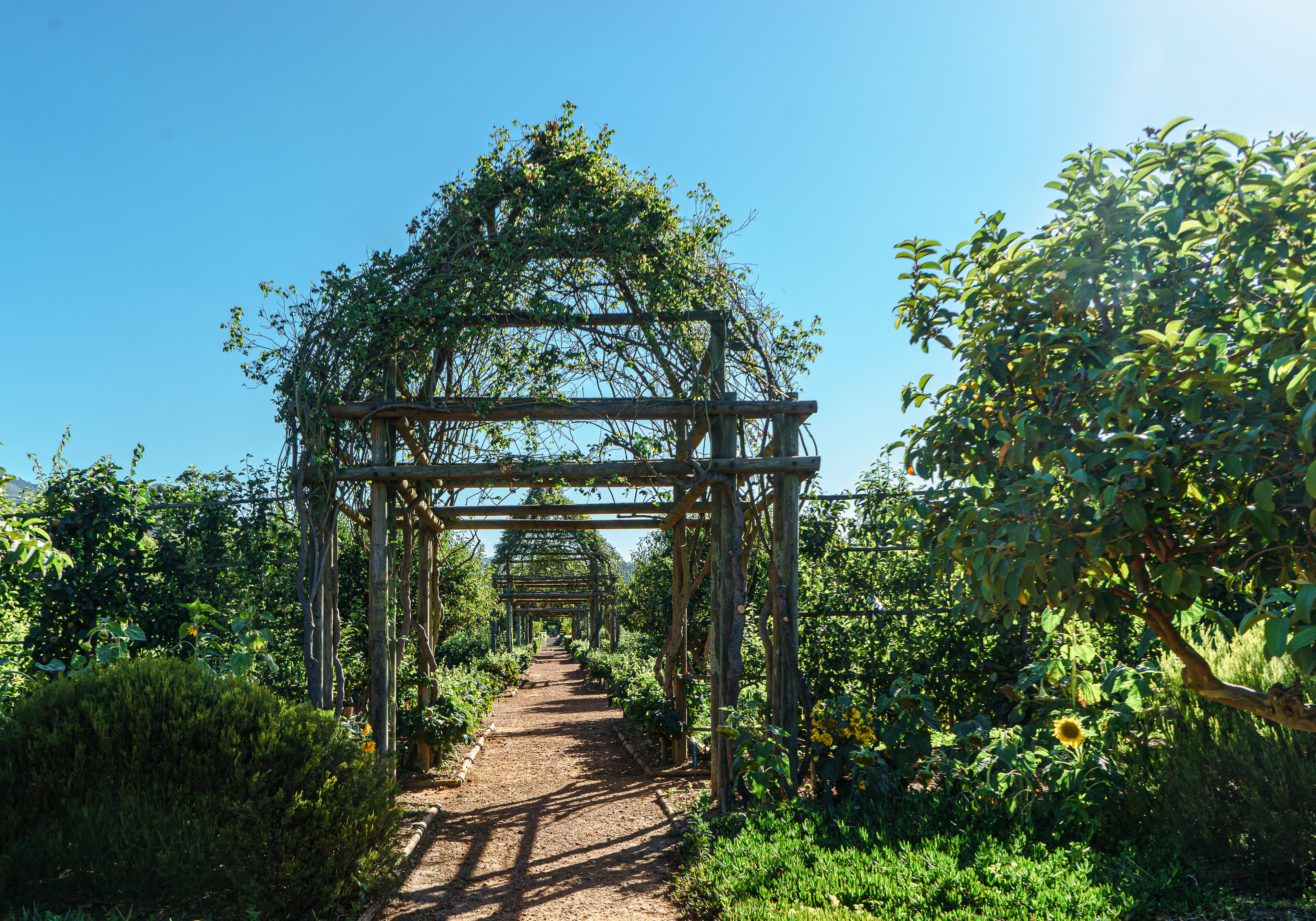
A 1692 Cape Dutch farm between Paarl and Franschhoek whose owners planted a three-and-a-half-hectare garden in which every single plant is edible or medicinal.
Verified · 6 sources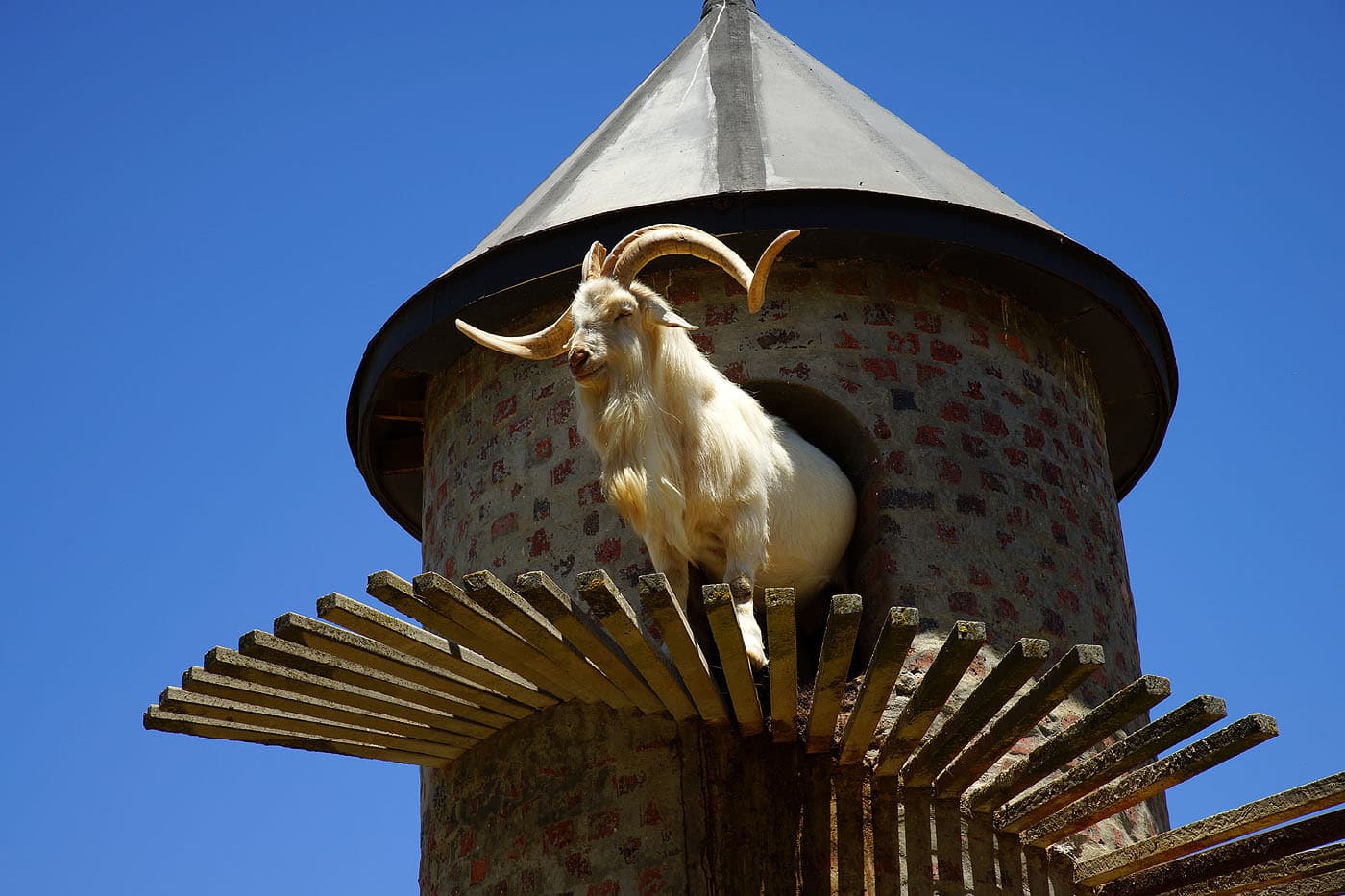 Wine & FoodWestern Cape
Fairview
A Paarl farm called Cauliflower Fountain in 1693, now better known for a two-storey tower its goats climb and a Rhône-baiting wine that made the French reach for their lawyers.
Verified · 6 sources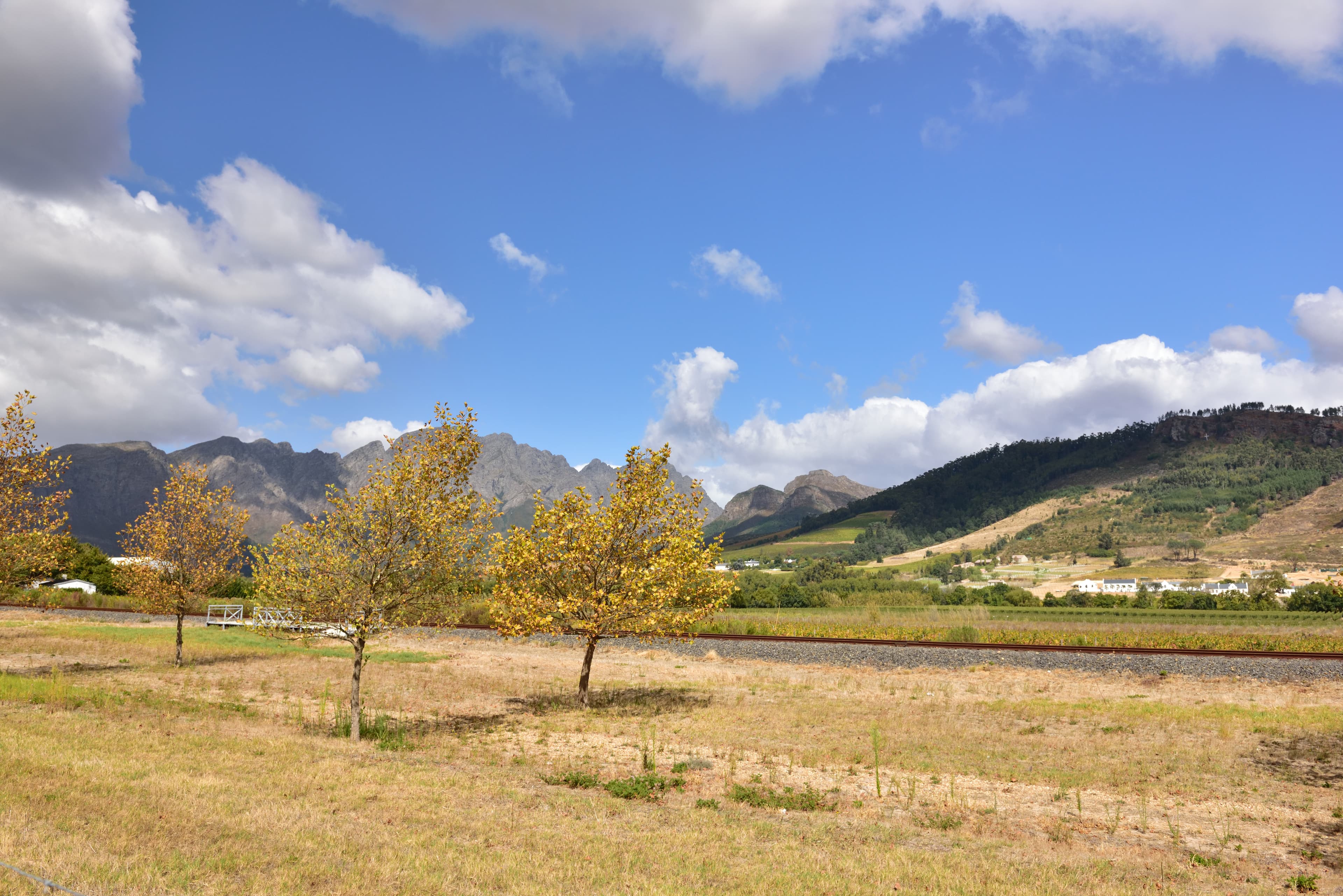 Wine & FoodWestern Cape
Franschhoek
A French Huguenot refuge cupped in a mountain-ringed valley, where Cape Dutch wine estates and a hop-on tram trade on more than three centuries of the vine.
Verified · 4 sources