
 South African Tourism, CC BY 2.0 / Wikimedia Commons
Best time to visit
Summer (November to March) brings warm, dry weather ideal for vineyard visits, with the grape harvest peaking around February to March; the town's Bastille Festival, celebrating its French roots, is held each July.
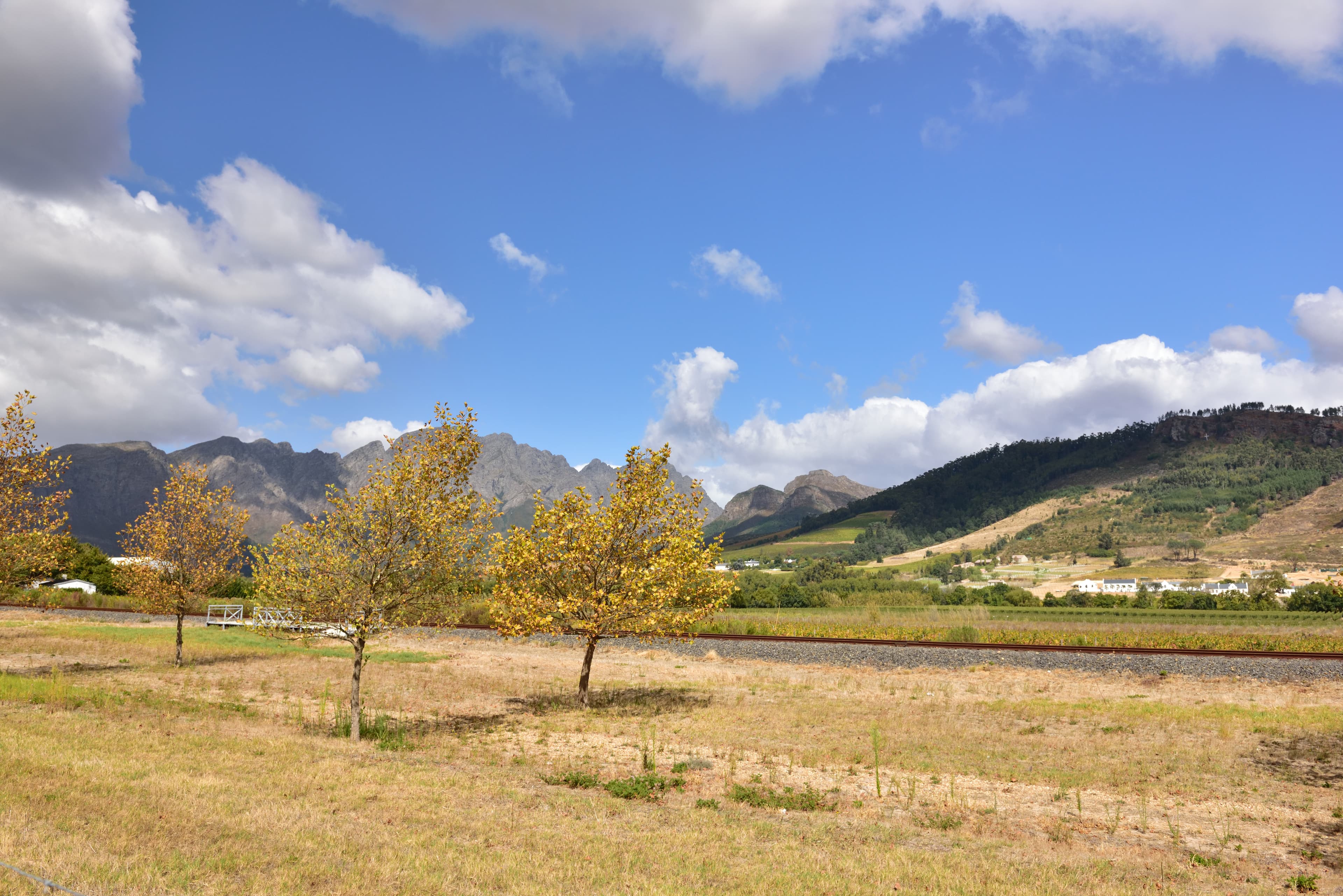
Franschhoek — Afrikaans for "French Corner" — was settled in 1688 by French Huguenot refugees, Protestants granted land in this valley by the Dutch Cape government after fleeing France when their faith was outlawed in 1685. Originally known as the Valley of the Huguenots, the settlement kept its French character: many wine farms still carry the names of the French places and regions their founders left behind, among them La Motte, Champagne, and Bourgogne. The Huguenot Monument and its adjoining Memorial Museum stand at the head of the village as a formal commemoration of that arrival, while Cape Dutch gables line a main street framed by the surrounding mountains.
The Huguenots brought viticultural know-how that took root in the valley's soils, and Franschhoek has since become one of South Africa's most concentrated wine-and-food destinations, with dozens of cellars and restaurants clustered within a compact area of the Cape Winelands. The town lies roughly 75 kilometres east of Cape Town in the Stellenbosch Local Municipality, part of the Cape Winelands District.
The best-known way to tour the estates is the Franschhoek Wine Tram, a hop-on-hop-off service that runs several colour-coded lines using a combination of restored double-decker trams and open-air buses to reach vineyards both on and off the old railway route. Passengers choose a line, disembark at estates for tastings, and rejoin the next service, with departures spread across the morning; wine-tasting fees at each estate are charged separately from the tram ticket.
Sources
Verified · 4 sources
- Academic / referenceFranschhoekWikipedia
- Academic / referenceFranschhoek, Western CapeSouth African History Online
- OperatorHop-On Hop-Off Franschhoek Wine Tram ExperienceFranschhoek Wine Tram (official operator)
- Tourism boardFranschhoek Wine TramFranschhoek Wine Valley (official tourism association)
Facts last reviewed Aug 24, 2026.
More Wine & Food
 Wine & FoodWestern Cape
Babylonstoren
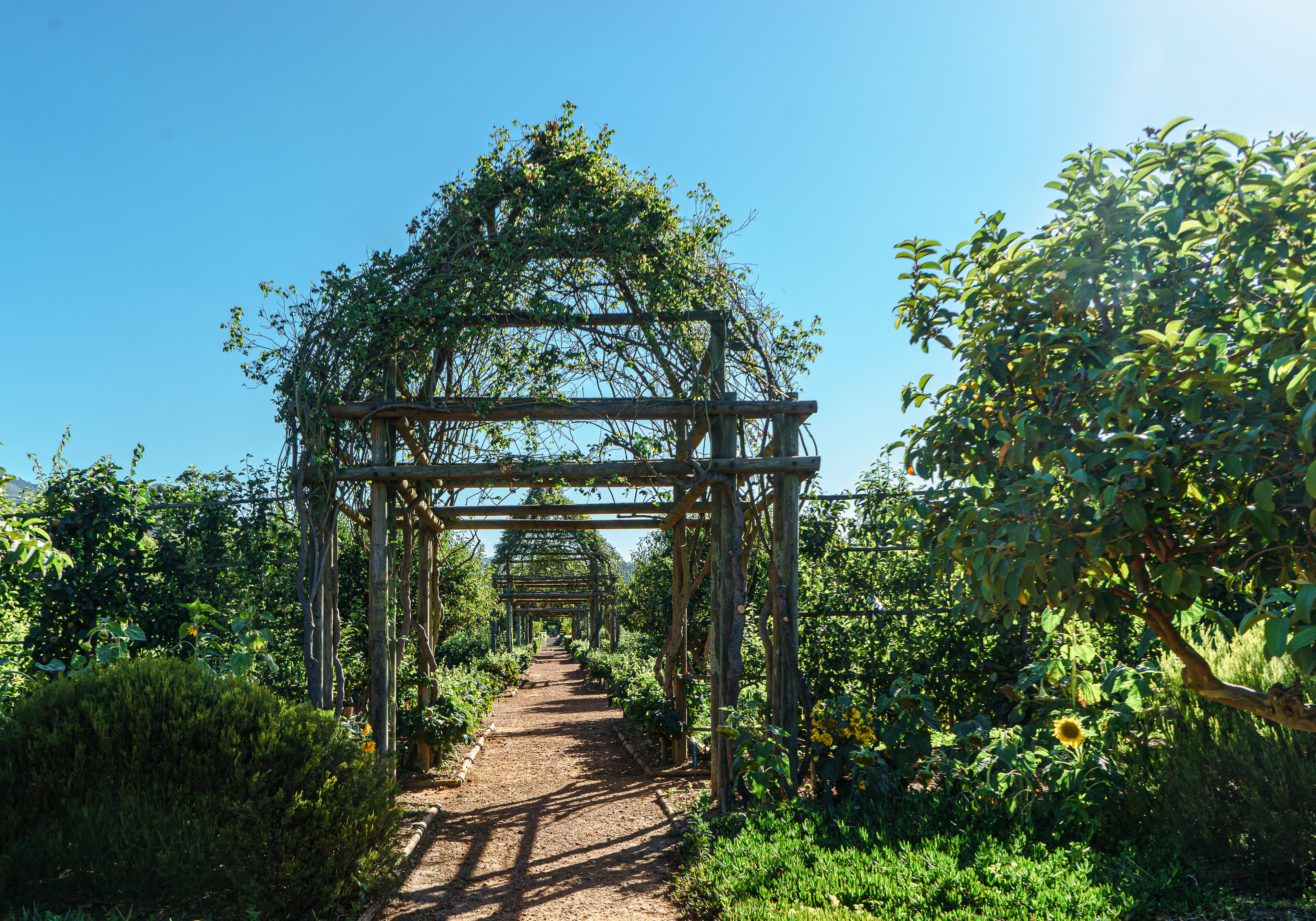
A 1692 Cape Dutch farm between Paarl and Franschhoek whose owners planted a three-and-a-half-hectare garden in which every single plant is edible or medicinal.
Verified · 6 sources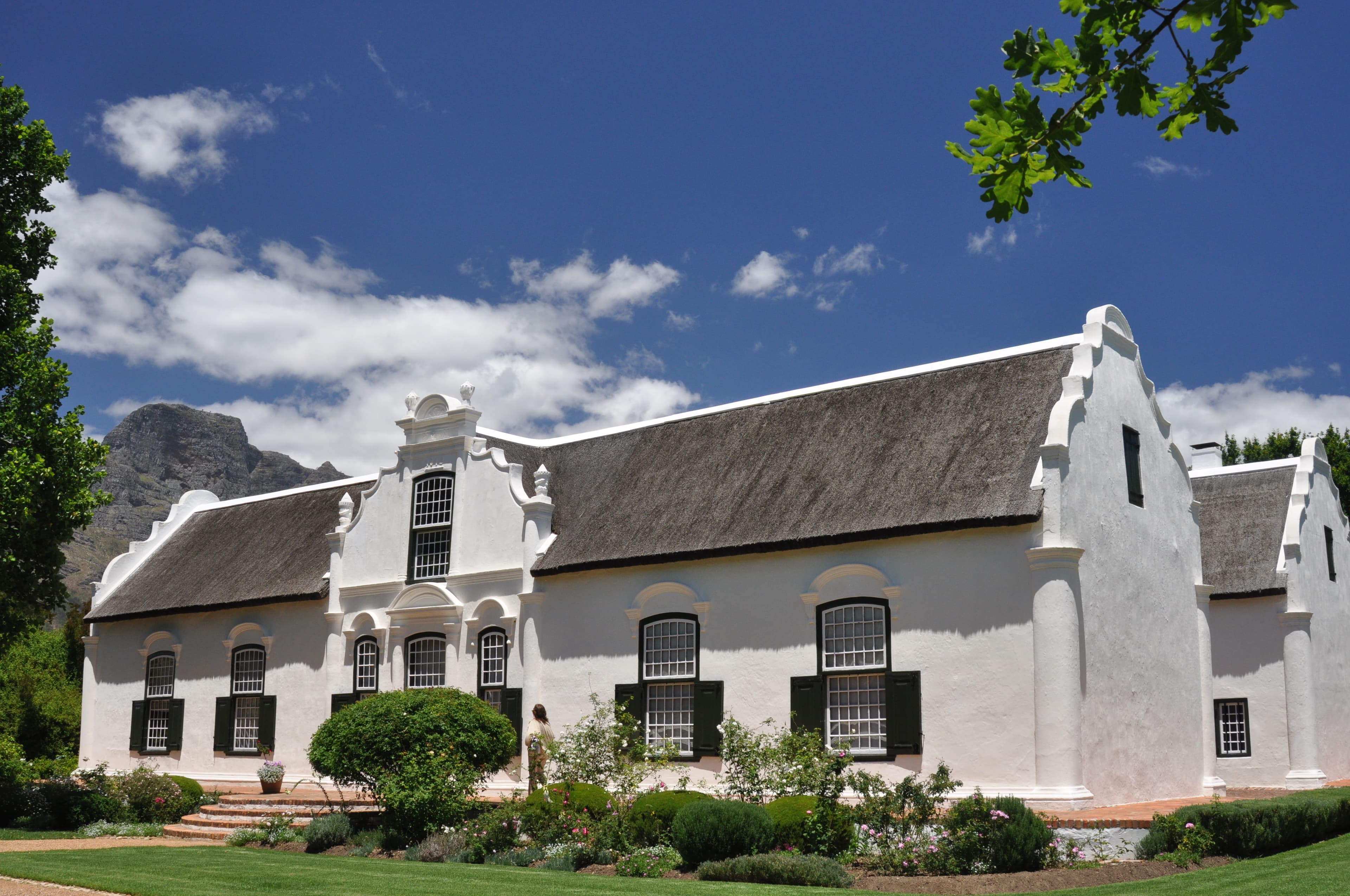 Wine & FoodWestern Cape
Boschendal
Title deeds dated 1685, a gable that still carries the initials of the couple who raised it in 1812, and a national heritage site at the heart of a roughly 1,800-hectare working farm.
Verified · 6 sources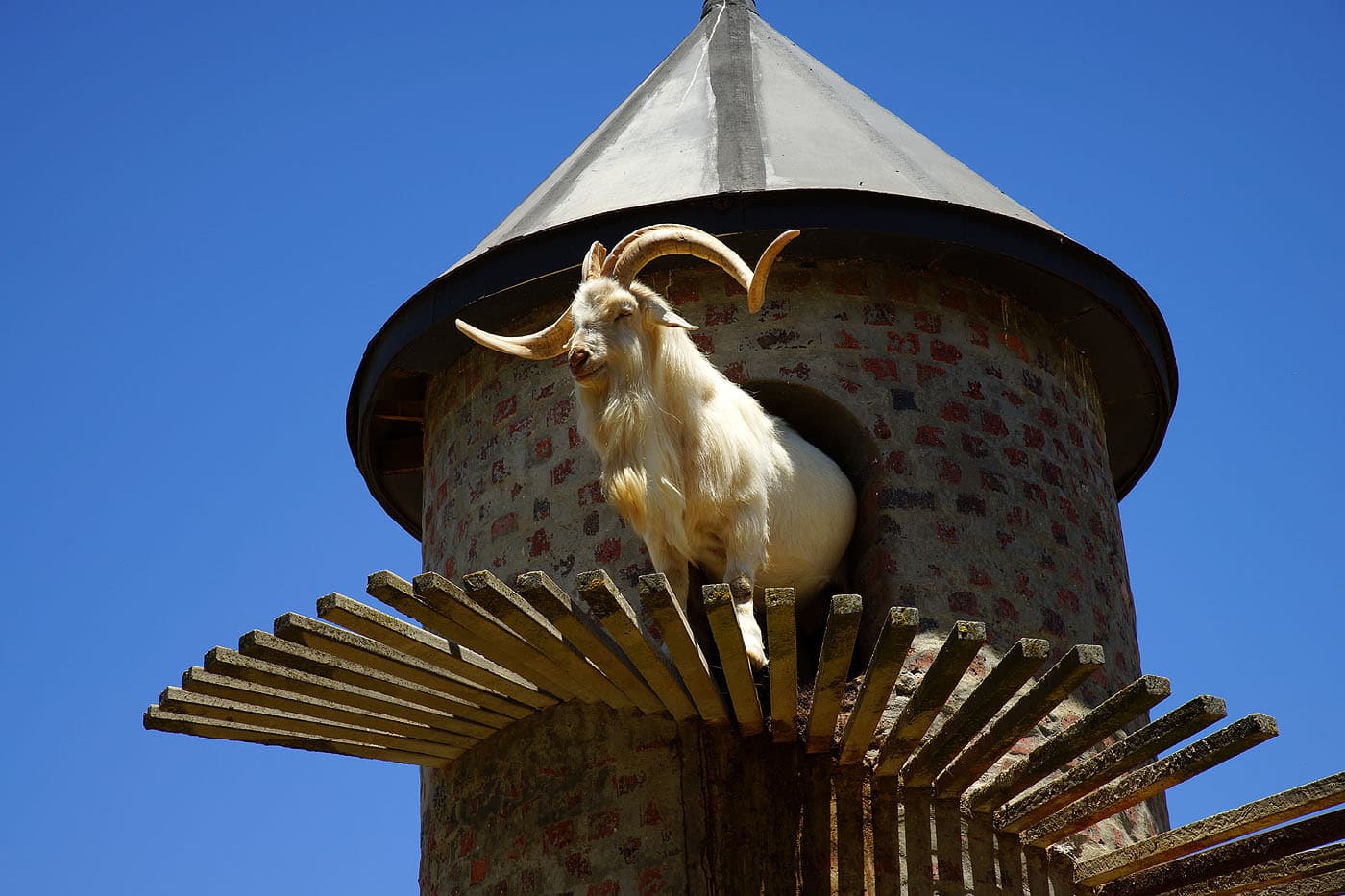 Wine & FoodWestern Cape
Fairview
A Paarl farm called Cauliflower Fountain in 1693, now better known for a two-storey tower its goats climb and a Rhône-baiting wine that made the French reach for their lawyers.
Verified · 6 sources