
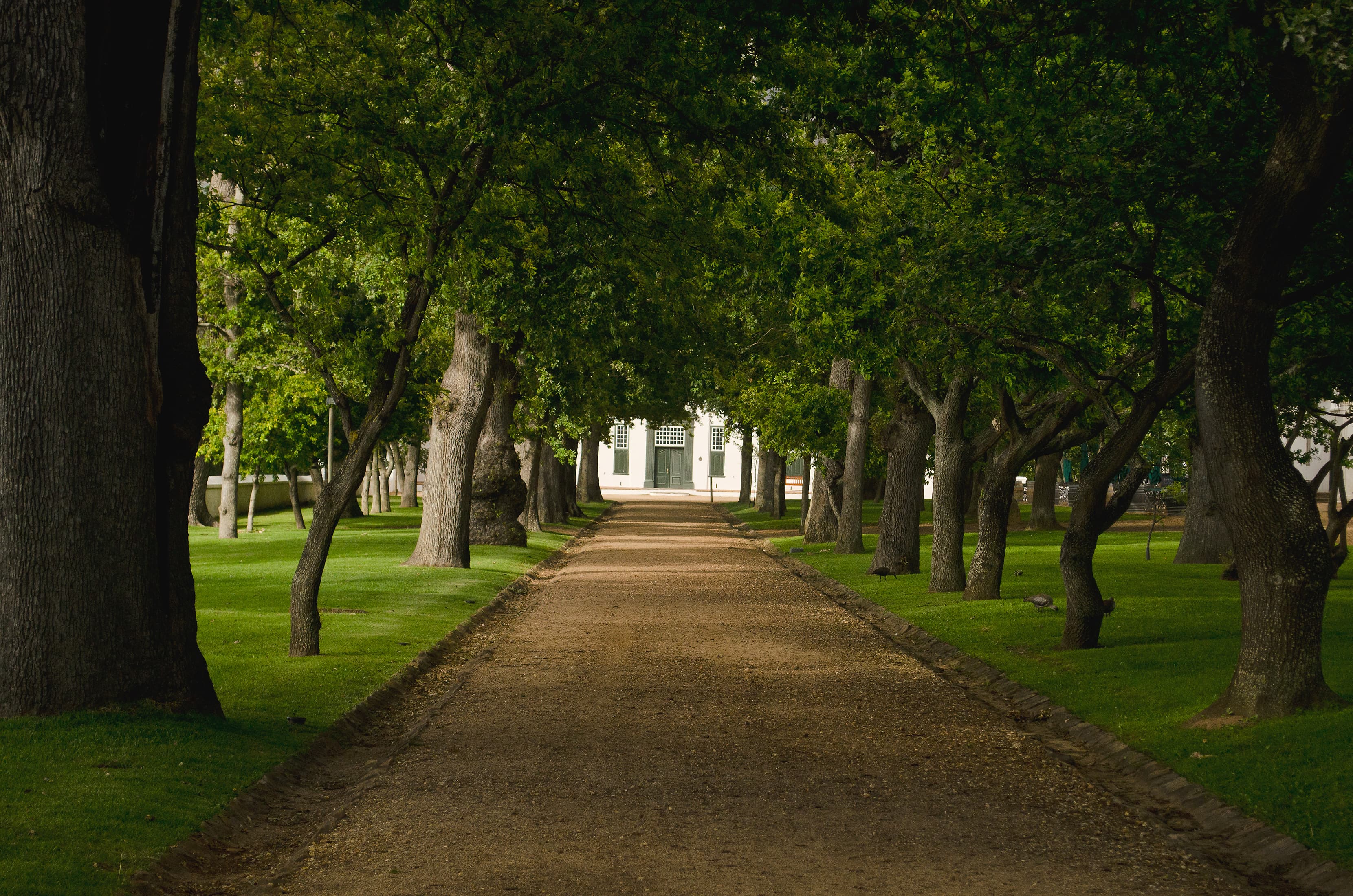
 Chris Snelling, CC BY-SA 3.0 / Wikimedia Commons
Best time to visit
Open year-round; the warm, dry summer months (November to March) suit picnics on the terrace, while the February to April grape harvest brings the working estate to life.
On the eastern slopes below Table Mountain, Groot Constantia has pressed wine without interruption since 1685, when the Dutch East India Company governor Simon van der Stel was granted the land that would become the cradle of South Africa's wine industry. The gabled, thatched manor house — a benchmark of Cape Dutch architecture, later extended under the Cloete family who bought the property in 1779 — stands at the head of an oak-lined avenue. Today it is a provincial heritage site and living museum rather than a private homestead, held since 1993 by the Groot Constantia Trust.
Its fame rests on Constantia, a naturally sweet Muscat dessert wine that European courts prized at auction in the 18th and 19th centuries. The estate revived the style in 2003 as Grand Constance, resurrecting a wine unmade since the 1880s. The bottle trails a long literary wake: Jane Austen prescribed Constantia for a broken heart in Sense and Sensibility, Charles Dickens poured it in The Mystery of Edwin Drood, and it is widely said to have soothed Napoleon during his exile on St Helena.
The working estate spans roughly 160 hectares, about 90 of them under vine, producing reds led by Cabernet Sauvignon, Merlot, Shiraz and Pinotage alongside Sauvignon Blanc and Chardonnay. Visitors move between the restored manor house and the Iziko museum cellars — where an exhibition confronts the estate's history of enslaved labour — plus wine tastings, restaurants such as the Cape Malay–focused Jonkershuis, and picnic terraces with long views across the Cape flats to the sea.
Sources
Verified · 3 sources
- OperatorAbout Groot ConstantiaGroot Constantia Wine Estate
- MediaGroot ConstantiaWikipedia
- Tourism boardGroot Constantia, Cape Town: the oldest wine estate in South AfricaSouth African Tourism (southafrica.net)
Facts last reviewed Aug 24, 2026.
More Wine & Food
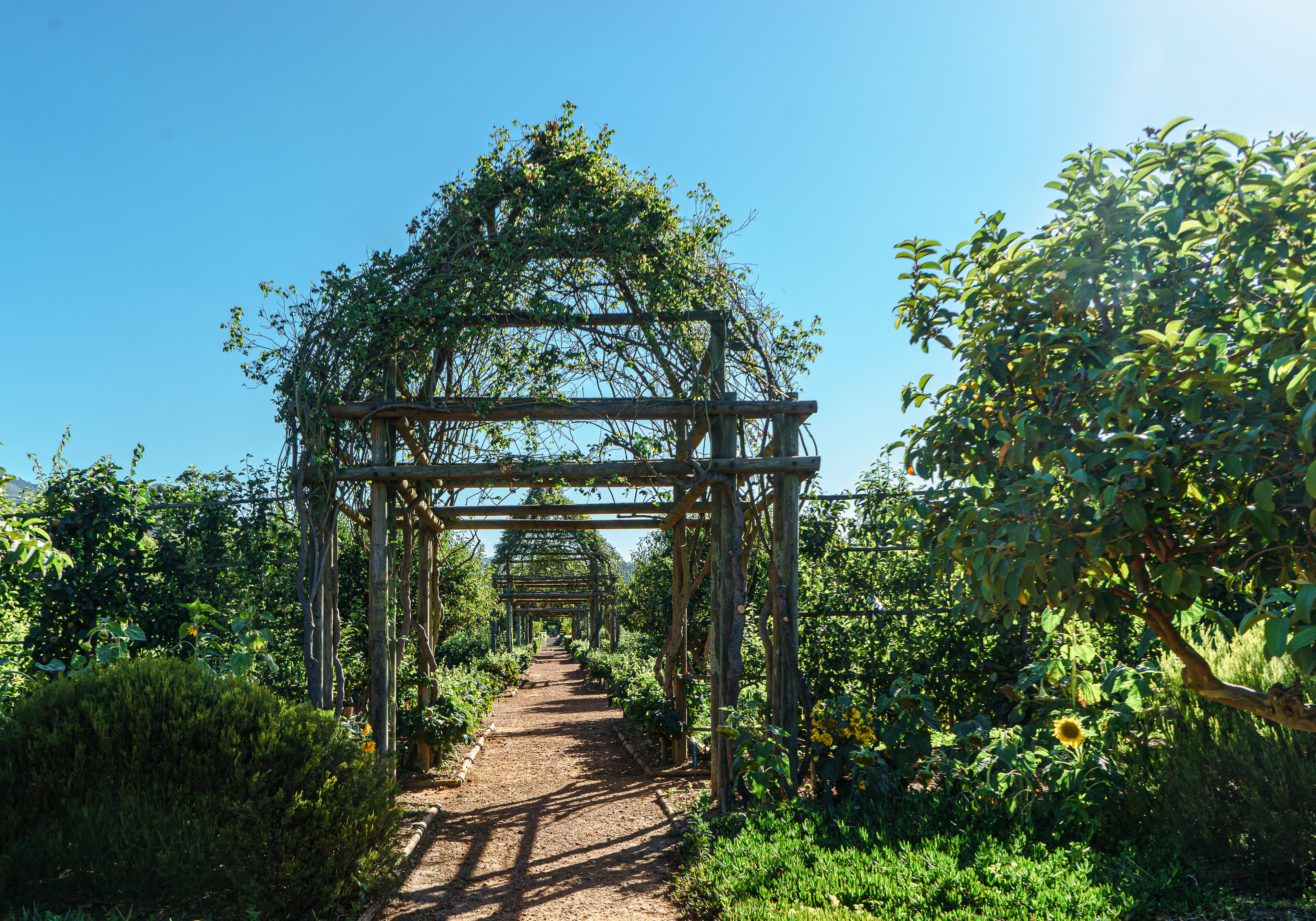 Wine & FoodWestern Cape
Babylonstoren
A 1692 Cape Dutch farm between Paarl and Franschhoek whose owners planted a three-and-a-half-hectare garden in which every single plant is edible or medicinal.
Verified · 6 sources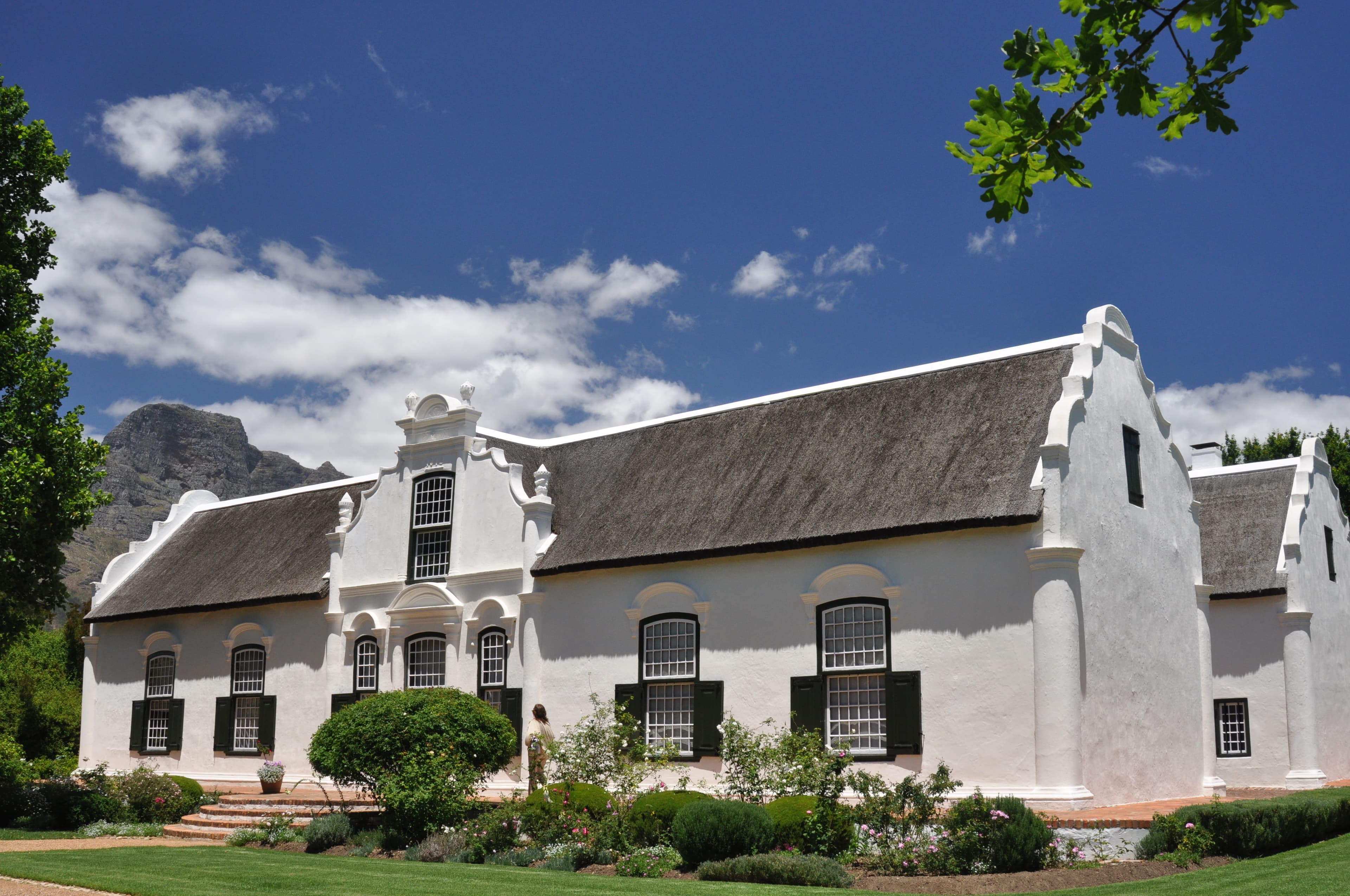 Wine & FoodWestern Cape
Boschendal
Title deeds dated 1685, a gable that still carries the initials of the couple who raised it in 1812, and a national heritage site at the heart of a roughly 1,800-hectare working farm.
Verified · 6 sources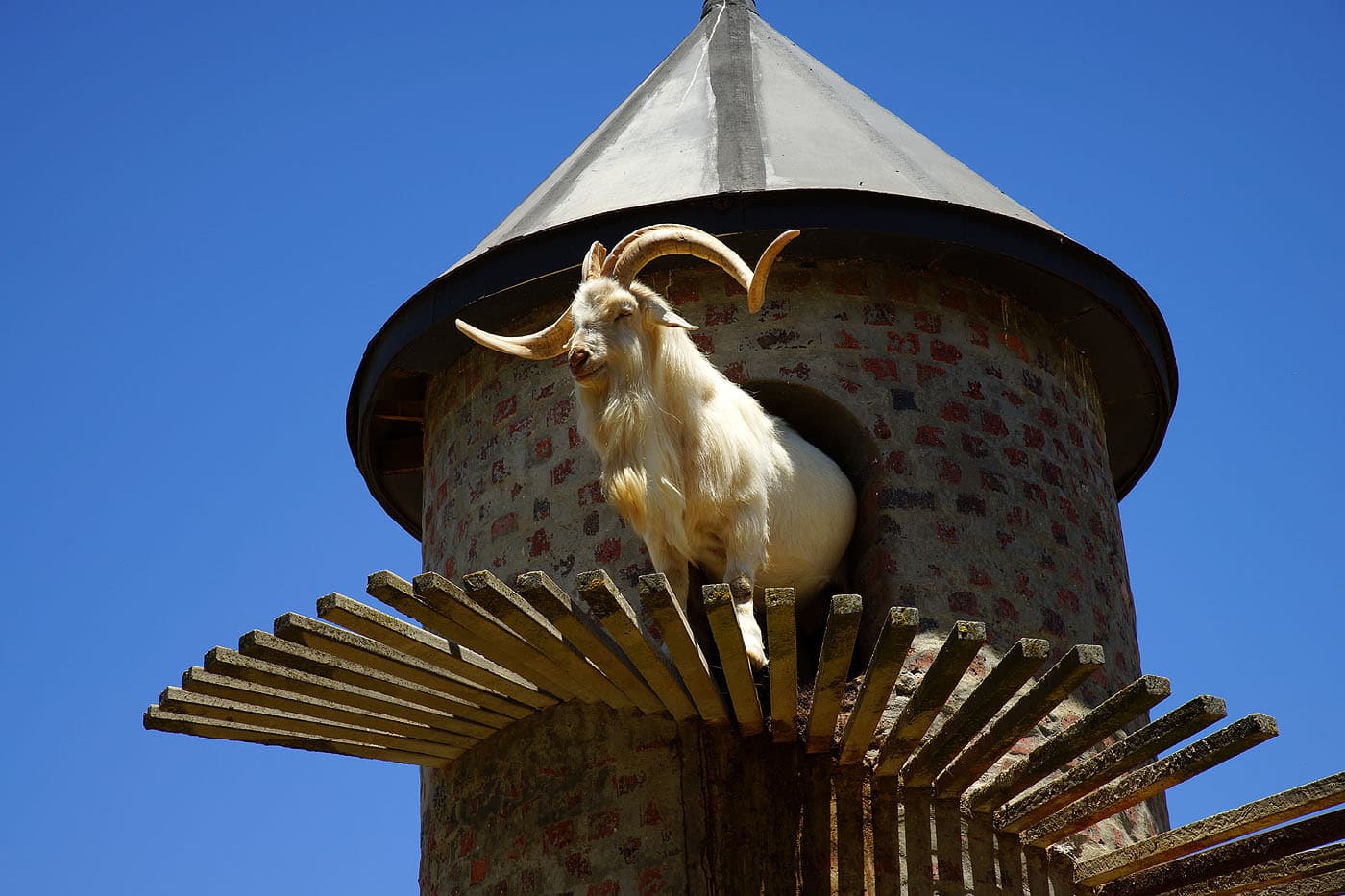 Wine & FoodWestern Cape
Fairview
A Paarl farm called Cauliflower Fountain in 1693, now better known for a two-storey tower its goats climb and a Rhône-baiting wine that made the French reach for their lawyers.
Verified · 6 sources