
 Ad Meskens, CC BY-SA 4.0 / Wikimedia Commons
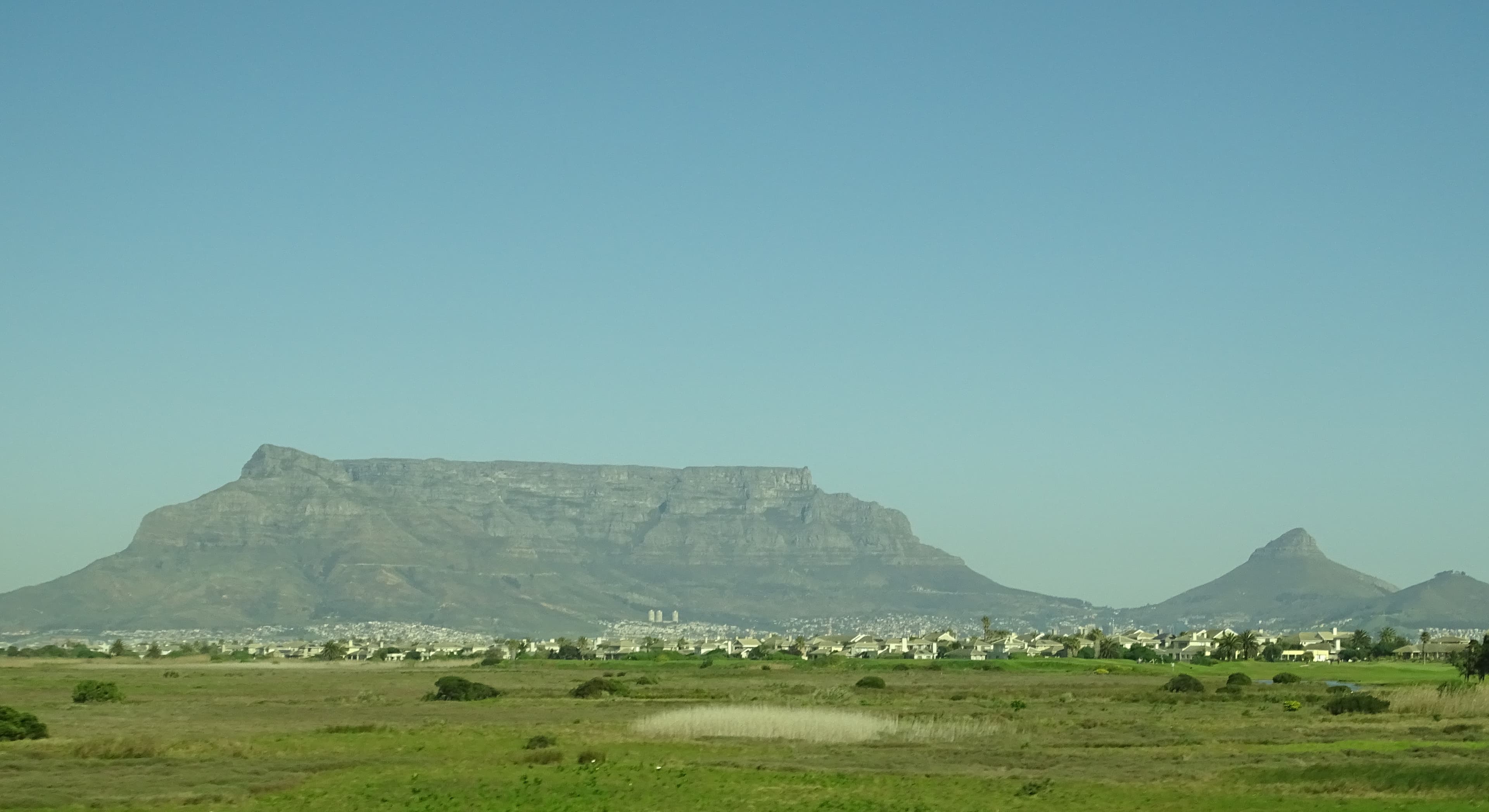
The Western Cape is the Cape of postcards — Table Mountain, the Winelands and the Whale Coast — but its deepest distinction is botanical. This is the home of the fynbos and the Cape Floral Kingdom, the smallest of the world's six floral kingdoms and a UNESCO World Heritage Site: a shrubland so rich that a small corner of Africa holds a remarkable share of the continent's plant life.
- Biome
- Fynbos — the Cape Floral Kingdom
- Climate
- Mediterranean — winter rainfall, dry summers
- Best time
- Oct–Apr for warm dry days; Aug–Oct for whales
Biodiversity & landscape
The Western Cape is dominated by the Fynbos biome and holds the core of the Cape Floristic Region, the smallest of the planet's six floral kingdoms and a UNESCO World Heritage Site inscribed in 2004. Fynbos is a fine-leaved, fire-adapted shrubland of the Mediterranean-climate Cape, found essentially nowhere else on Earth. Though the fynbos biome covers less than 6% of South Africa, SANBI notes it contains more than a third of all the country's plant species — an extraordinary concentration of diversity in a small area.
Fauna
Here the signature wildlife is coastal and marine rather than big game. Southern right whales migrate up from the Southern Ocean to calve in the Cape's bays through winter and spring, and Walker Bay at Hermanus offers some of the country's finest shore-based whale watching. On the Cape Peninsula, the African penguin colony at Boulders has grown from two breeding pairs in 1982 to around 3,000 birds — though the species as a whole was uplisted to Critically Endangered in 2024 as its wider numbers collapsed.
Flora
Proteas, ericas (heaths) and restios (reeds) are the classic elements of fynbos, alongside renosterveld and, in the drier interior valleys, succulent Karoo. Endemism is remarkably fine-grained, with some species confined to a few square kilometres. The king protea, South Africa's national flower since 1976, grows through the fynbos of the southern and south-western Cape.
Where to go
- Cape Town and the Cape Peninsula — Table Mountain, the Cape of Good Hope and the Boulders penguins.
- The Cape Winelands — Stellenbosch, Franschhoek, Paarl and Constantia, where Cape winemaking began in the 17th century and the first formal wine route opened in 1971.
- Hermanus and the Whale Coast — cliff-path whale watching from about June to November.
- The western Garden Route — forest, lagoons and coast reaching east toward Tsitsikamma.
Weather & when to visit
The key thing to know about the Cape is that, unlike most of South Africa, it has a Mediterranean, winter-rainfall climate: the rain comes mainly between about May and August. Summers (November–March) are warm, dry and sunny — Cape Town sits around 20–30°C — while winters are cooler and wet, around 8–18°C. For warm, dry days the best window is roughly October to April; but whale watching peaks in the cooler months of August to October, so the ideal time depends on what you have come for.
Places in Western Cape
 Wine & FoodWestern Cape
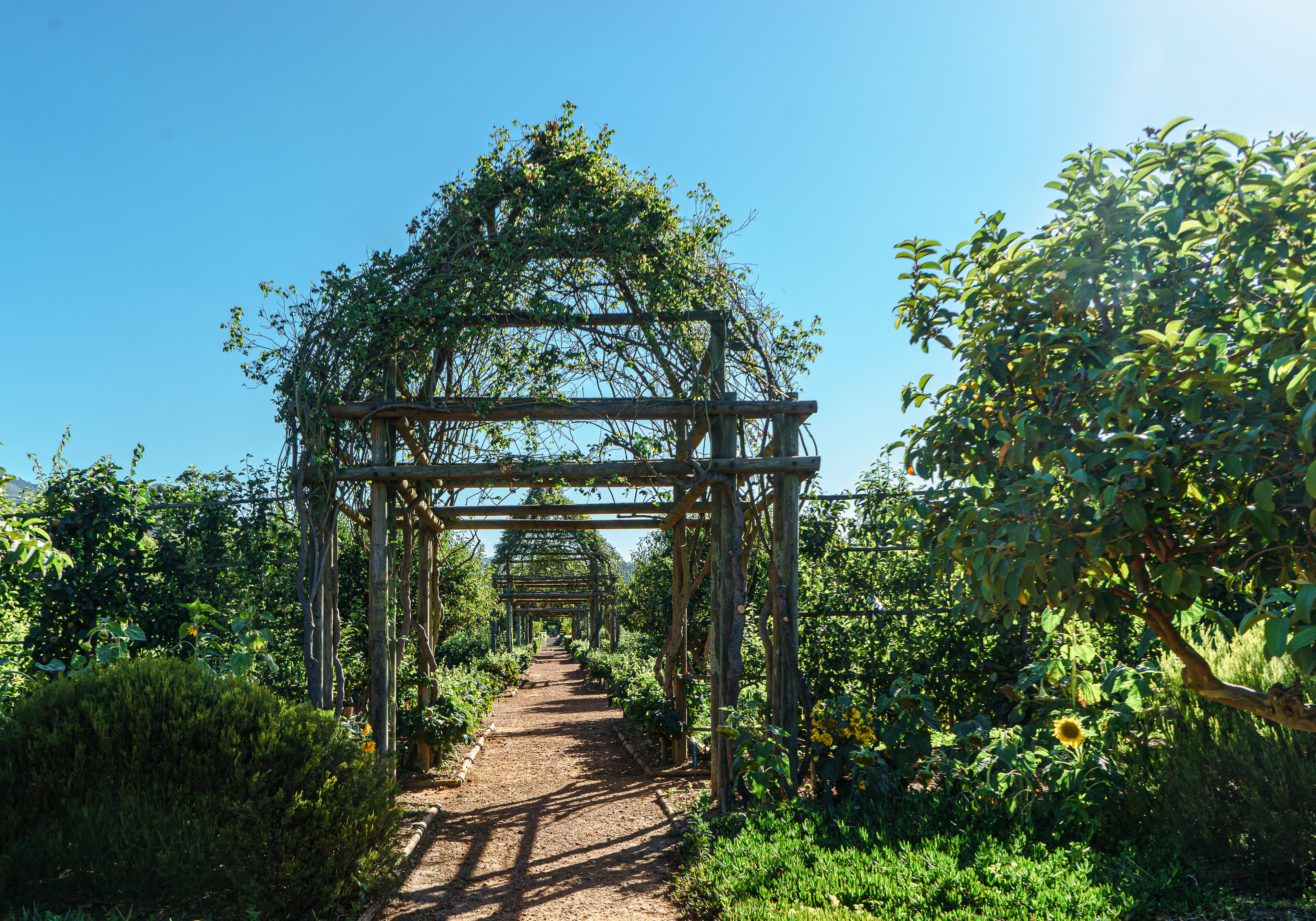
Babylonstoren
A 1692 Cape Dutch farm between Paarl and Franschhoek whose owners planted a three-and-a-half-hectare garden in which every single plant is edible or medicinal.
Verified · 6 sources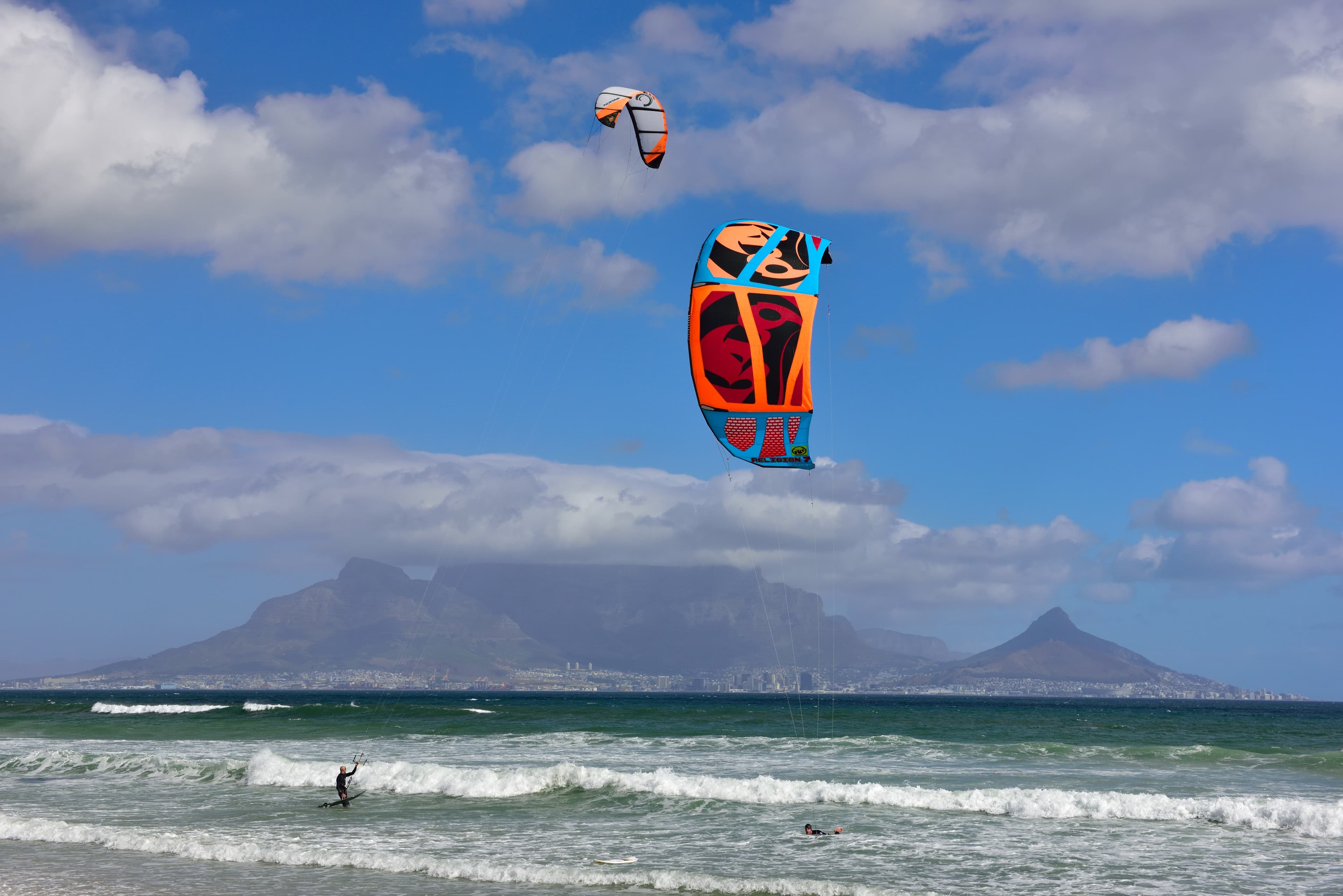 Adventure & ActivitiesWestern Cape
Bloubergstrand Kite Beach
Kitesurf beneath a postcard view of Table Mountain rising across Table Bay — Cape Town's kitesurfing mecca and home to Red Bull's King of the Air big-air showdown.
Verified · 3 sources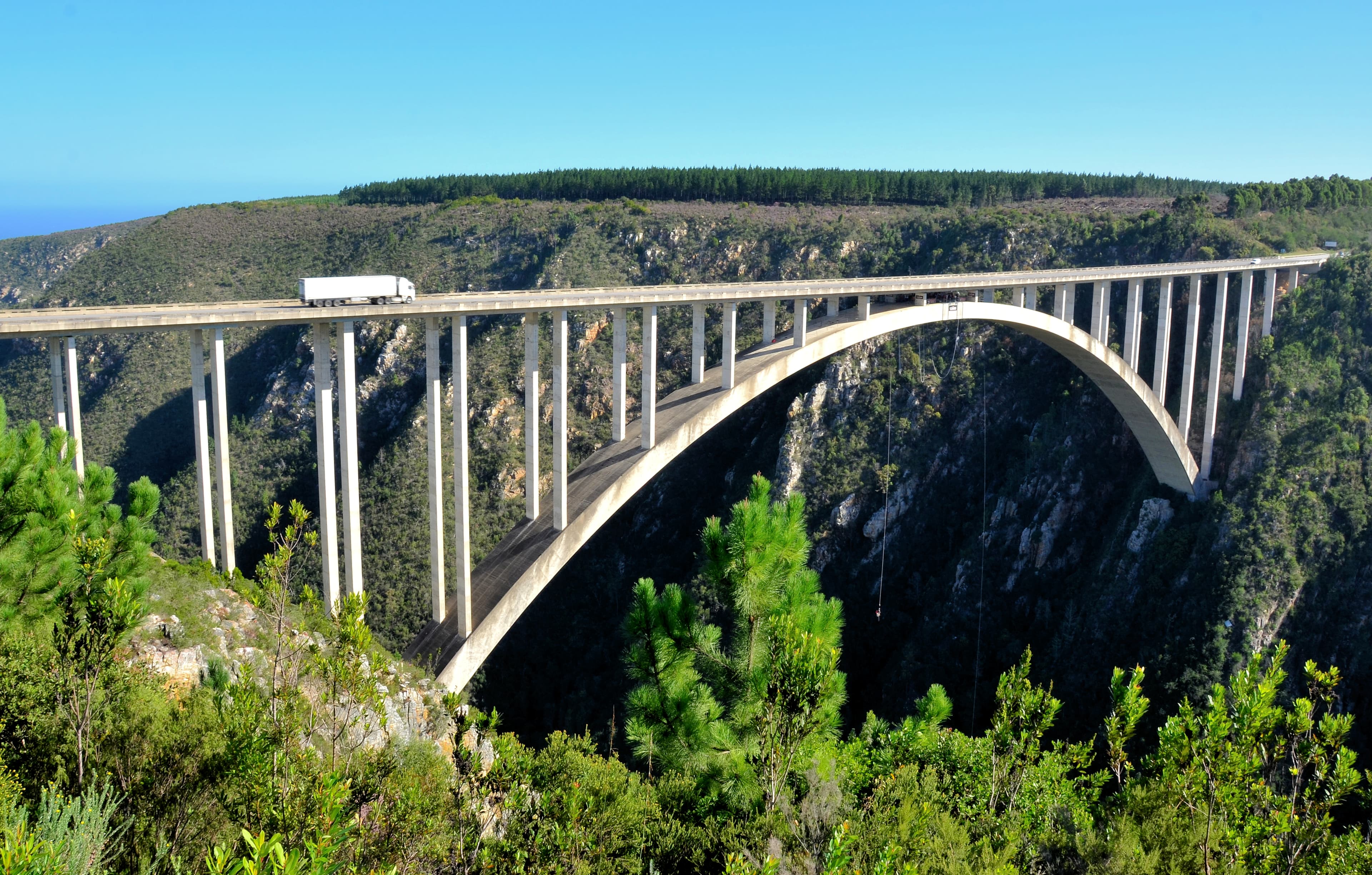 Adventure & ActivitiesWestern Cape
Bloukrans Bridge Bungy
Leap from what is widely recognised as the world's highest commercial bridge bungy — 216 metres.
Verified · 2 sources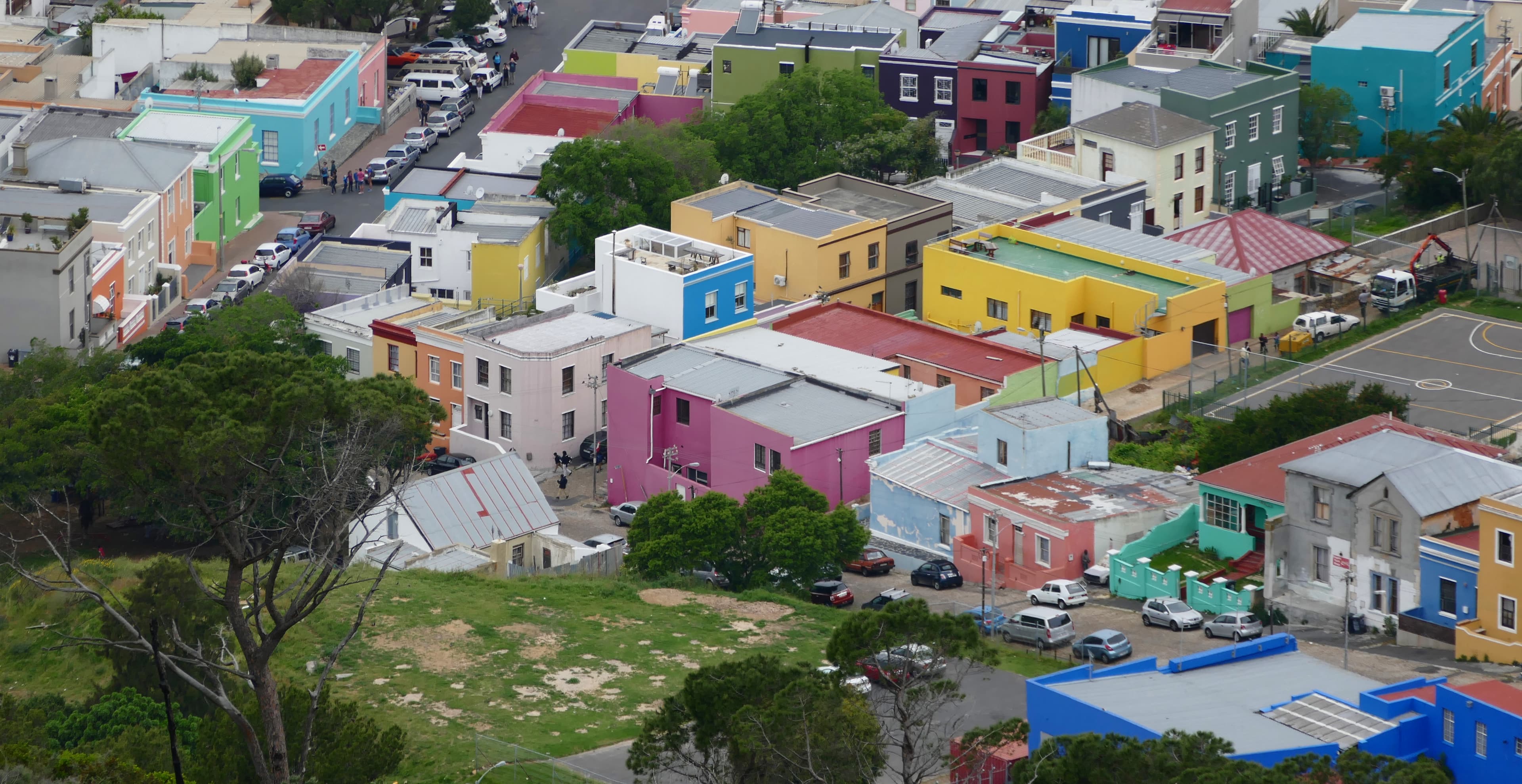 Culture & HistoryWestern Cape
Bo-Kaap
Beneath Signal Hill, a hillside of candy-bright houses and cobbled lanes holds Cape Town's oldest surviving residential quarter and the heart of Cape Malay culture.
Verified · 5 sources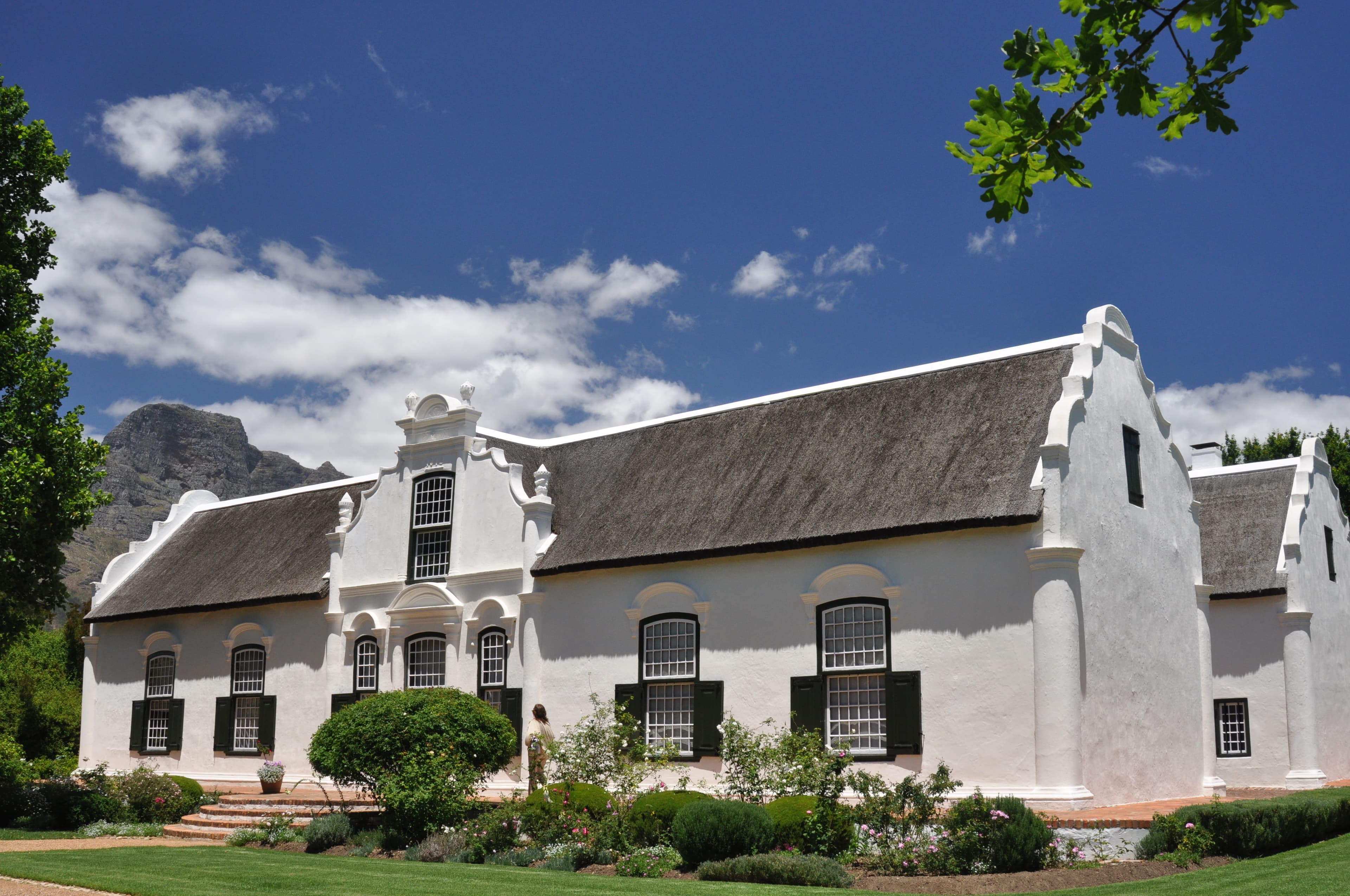 Wine & FoodWestern Cape
Boschendal
Title deeds dated 1685, a gable that still carries the initials of the couple who raised it in 1812, and a national heritage site at the heart of a roughly 1,800-hectare working farm.
Verified · 6 sources- Beaches & CoastWestern Cape
Boulders Beach
Share a sheltered white-sand cove with a colony of African penguins.
Verified · 2 sources 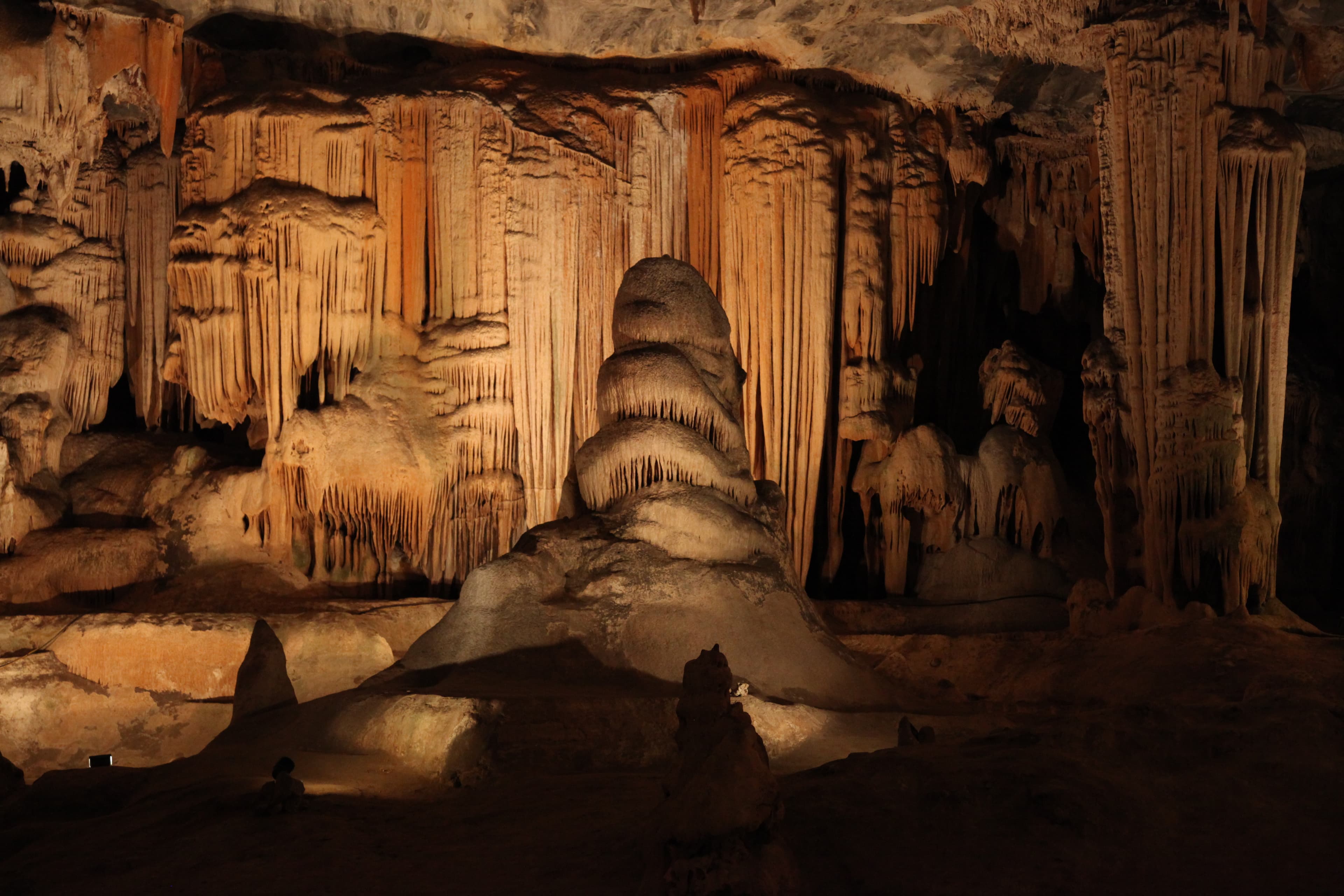 Nature & LandscapesWestern Cape
Cango Caves
A vast limestone cave system in the Swartberg foothills.
Verified · 1 source Nature & LandscapesWestern Cape
Cape Agulhas
The geographic southern tip of Africa, where the Atlantic and Indian oceans officially meet beneath one of the country's oldest working lighthouses.
Verified · 6 sources- Landmarks & CitiesWestern Cape
Cape Point & the Cape of Good Hope
The wind-scoured tip of the Cape Peninsula, where a wooden sign marks Africa's most south-western point and two lighthouses tell the story of a coast that ate ships.
Verified · 15 sources  Nature & LandscapesWestern Cape
Chapman's Peak Drive
A cliff-hugging toll road of 114 curves between Hout Bay and Noordhoek, with some of the Cape Peninsula's most dramatic Atlantic views.
Verified · 2 sources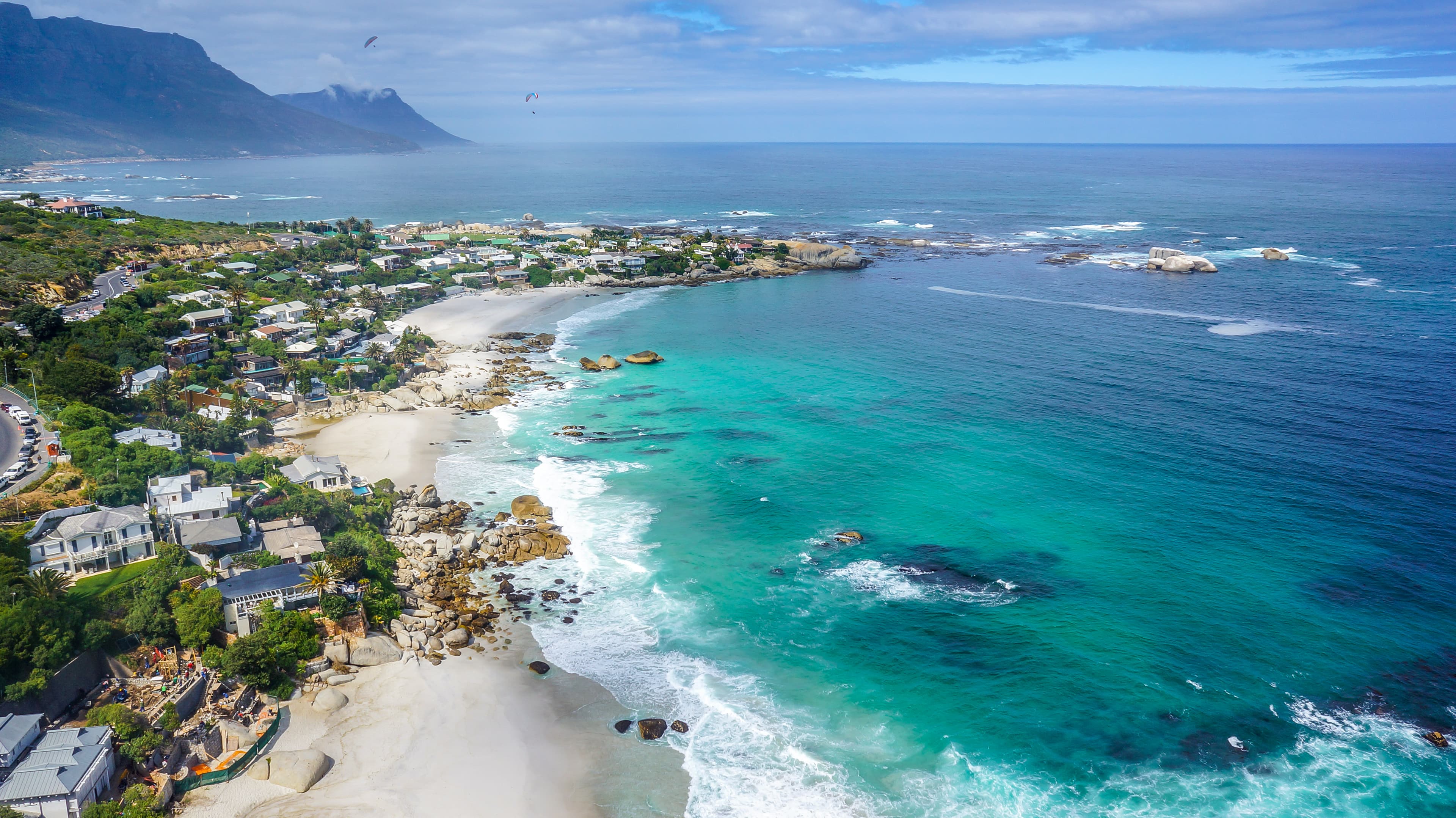 Beaches & CoastWestern Cape
Clifton Beaches
Four white-sand coves stacked below Lion's Head, divided by giant granite boulders and cupped in a wind shadow that shuts out Cape Town's south-easter — beside Atlantic water cold enough to make you gasp.
Verified · 4 sources Adventure & ActivitiesWestern Cape
Elands Bay
A cold, cooking left-hand point break peeling for a hundred-plus metres on the wild West Coast — with ancient San rock art in a cave on the headland right above the lineup.
Verified · 3 sources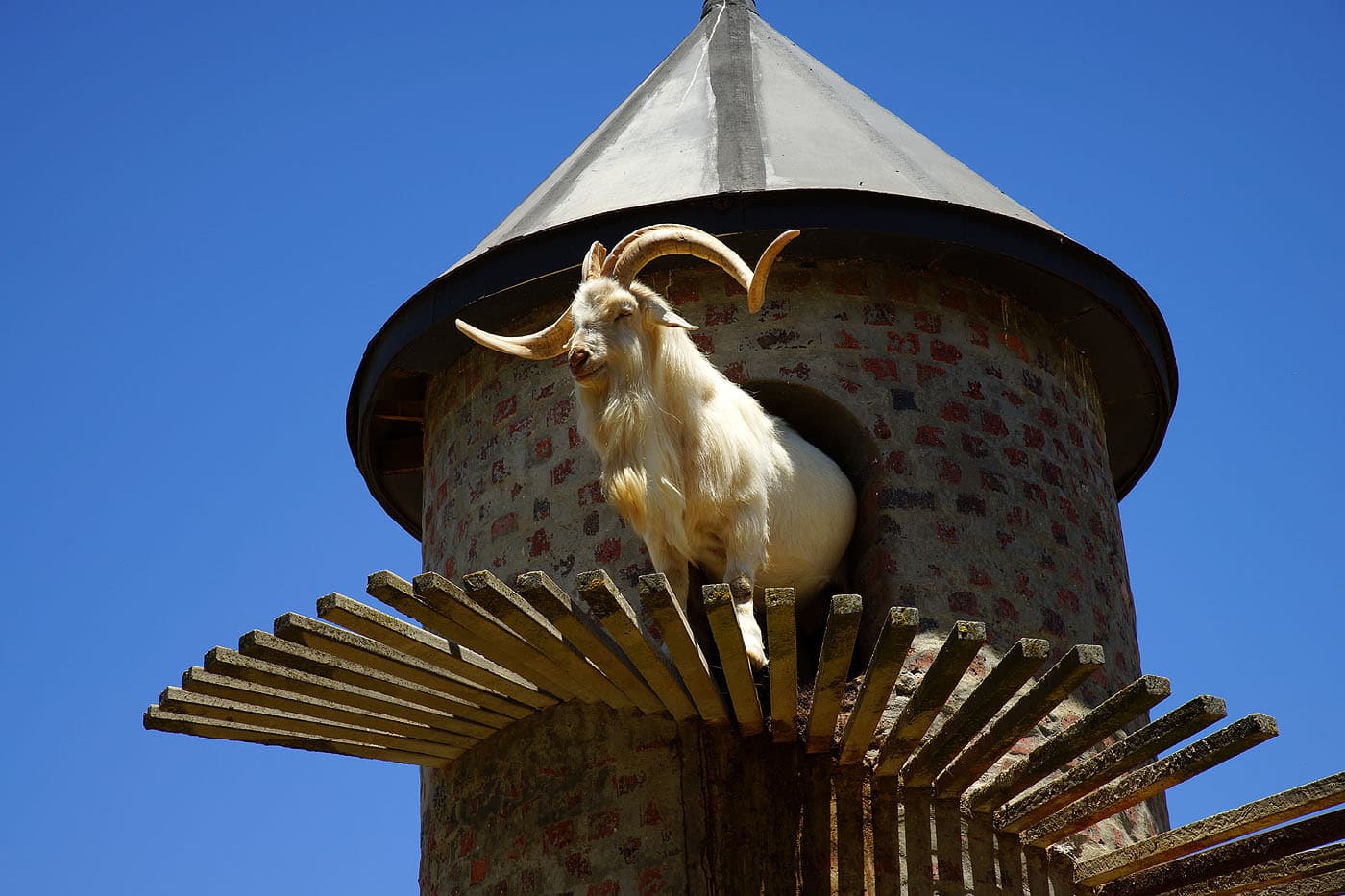 Wine & FoodWestern Cape
Fairview
A Paarl farm called Cauliflower Fountain in 1693, now better known for a two-storey tower its goats climb and a Rhône-baiting wine that made the French reach for their lawyers.
Verified · 6 sources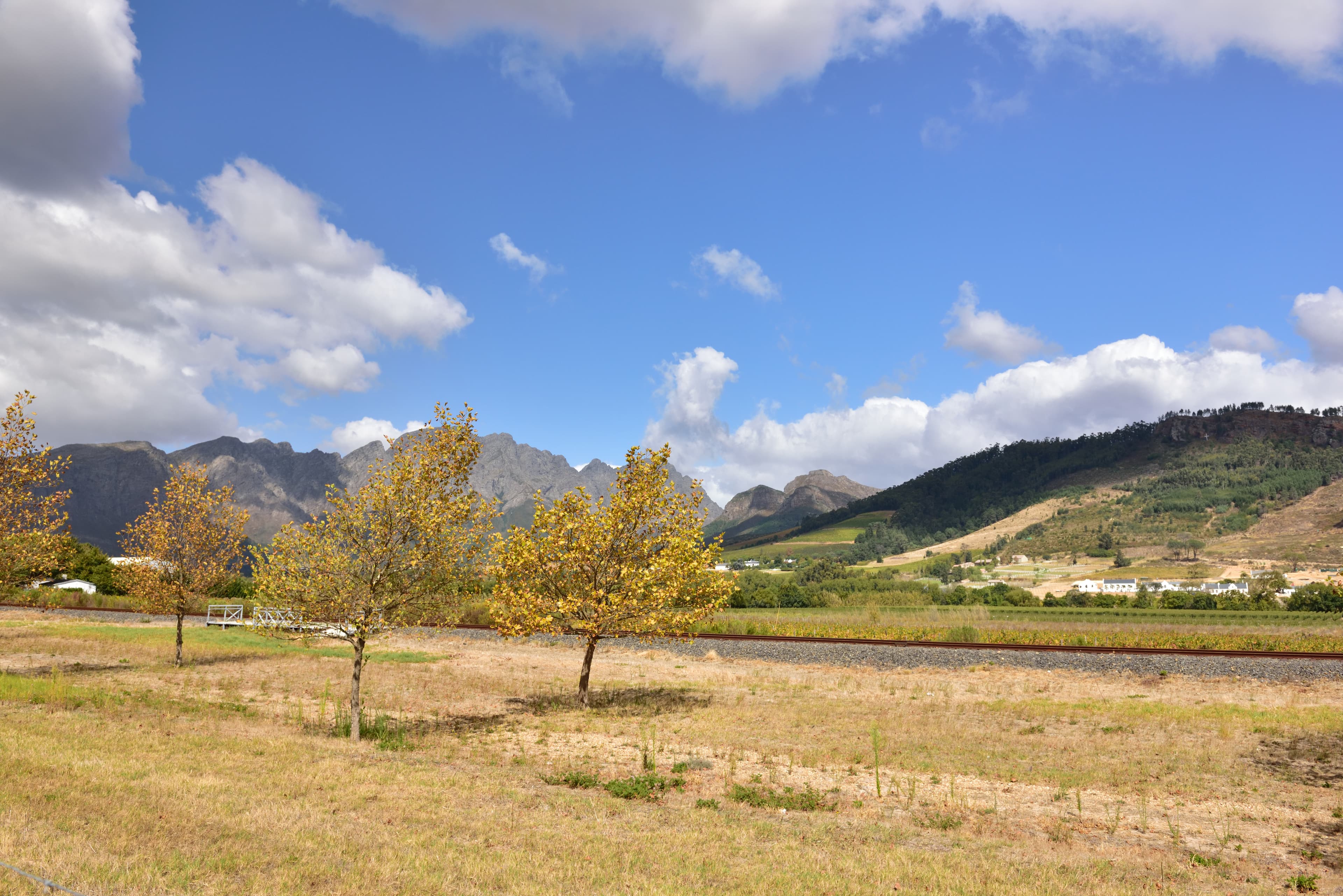 Wine & FoodWestern Cape
Franschhoek
A French Huguenot refuge cupped in a mountain-ringed valley, where Cape Dutch wine estates and a hop-on tram trade on more than three centuries of the vine.
Verified · 4 sources Adventure & ActivitiesWestern Cape
Gansbaai Shark Cage Diving
Come face to face with sharks in the self-styled great white capital.
Verified · 1 source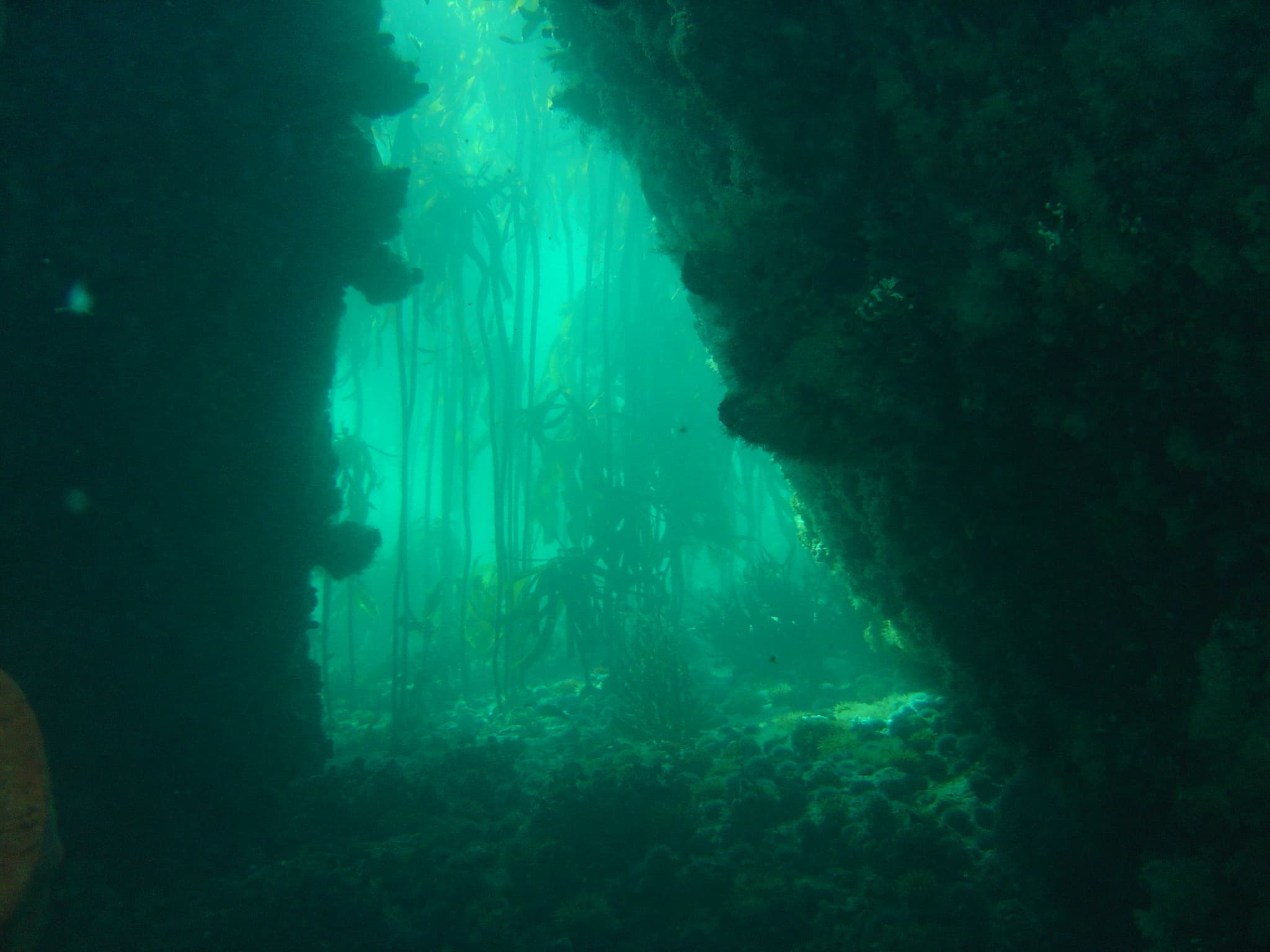 Nature & LandscapesWestern Cape
Great African Seaforest
Snorkel through towering golden kelp off Simon's Town in False Bay — the underwater wild made famous by the Oscar-winning 'My Octopus Teacher'.
Verified · 2 sources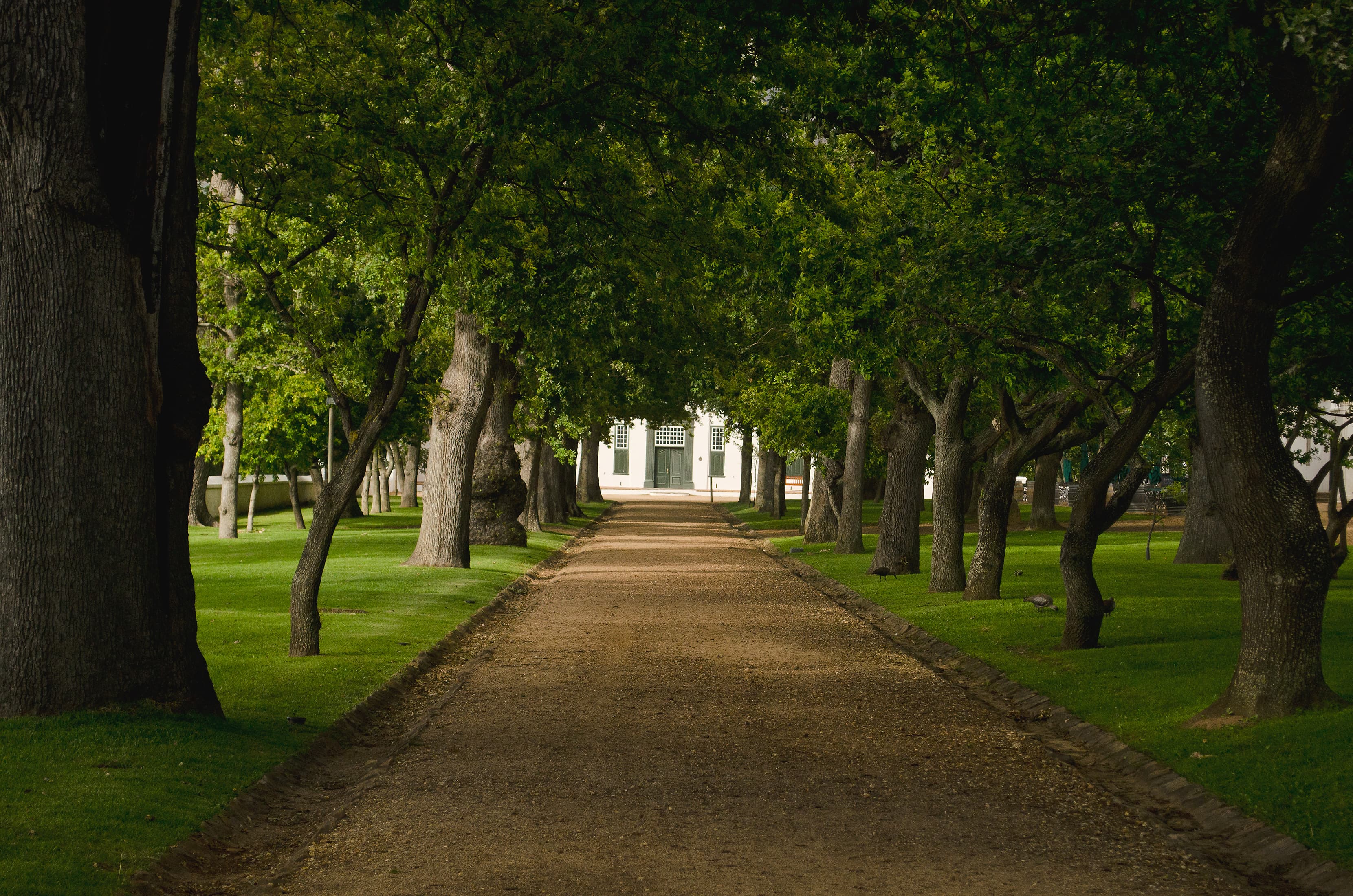 Wine & FoodWestern Cape
Groot Constantia
South Africa's oldest wine estate, pressing grapes without pause since 1685 — and the source of a sweet Constantia wine once said to have eased Napoleon's exile.
Verified · 3 sources- Wildlife & SafariWestern Cape
Hermanus
One of the world's best spots to watch whales from dry land.
Verified · 1 source  Adventure & ActivitiesWestern Cape
K3 Zipline
A single 3.2-kilometre cable off the Klein Swartberg above Caledon, which its operator calls the world's longest zipline — and which is, without argument, Africa's.
Verified · 9 sources- Nature & LandscapesWestern Cape
Kirstenbosch
A world-renowned botanical garden on the slopes of Table Mountain.
Verified · 1 source 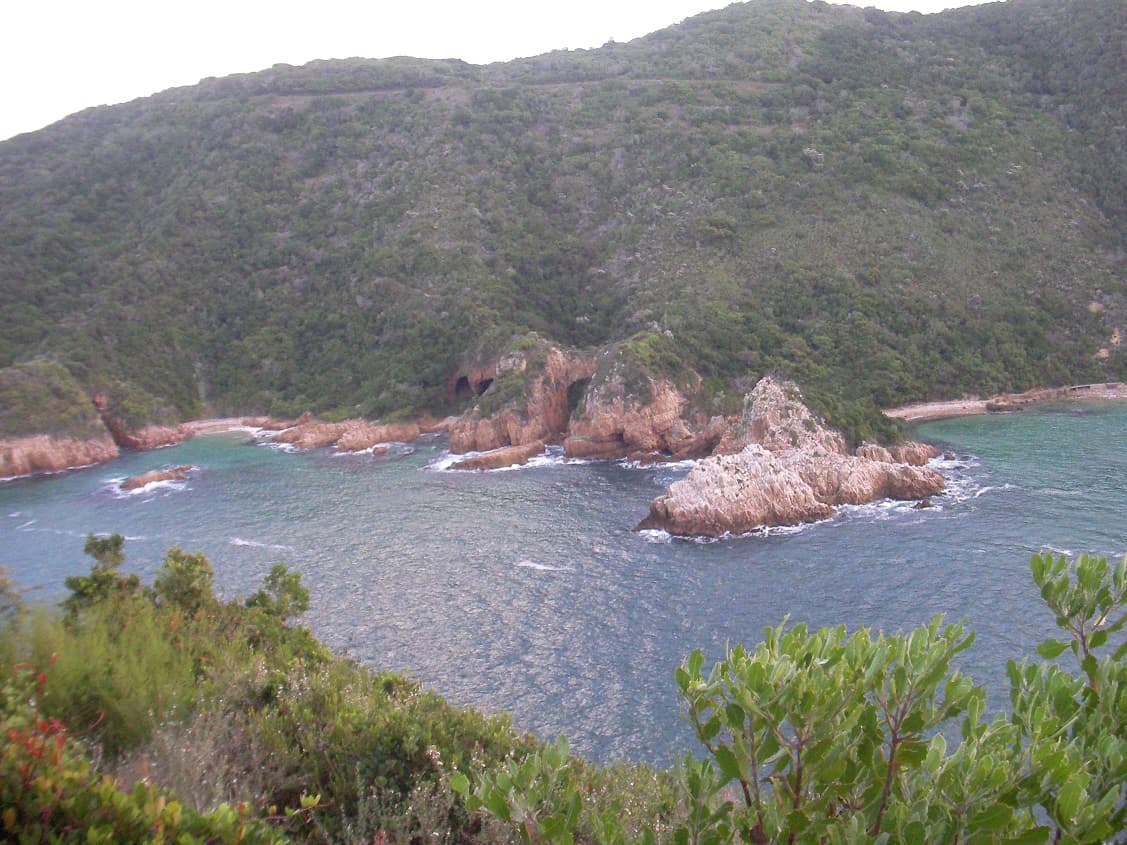 Beaches & CoastWestern Cape
Knysna
A Garden Route town wrapped around a tidal lagoon, where the sea funnels between the towering quartzite cliffs of the Knysna Heads into one of South Africa's most important estuaries.
Verified · 6 sources Adventure & ActivitiesWestern Cape
Langebaan Lagoon
A vast turquoise lagoon of warm, waist-deep, mirror-flat water inside a national park — a kite- and windsurfer's dream barely 90 minutes north of Cape Town.
Verified · 3 sources Adventure & ActivitiesWestern Cape
Mossel Bay Zipline
A 1.1-kilometre cable strung down the cliffs at The Point — past a Victorian lighthouse and a Stone Age cave — that its operator bills as the world's longest zipline over the ocean.
Verified · 9 sources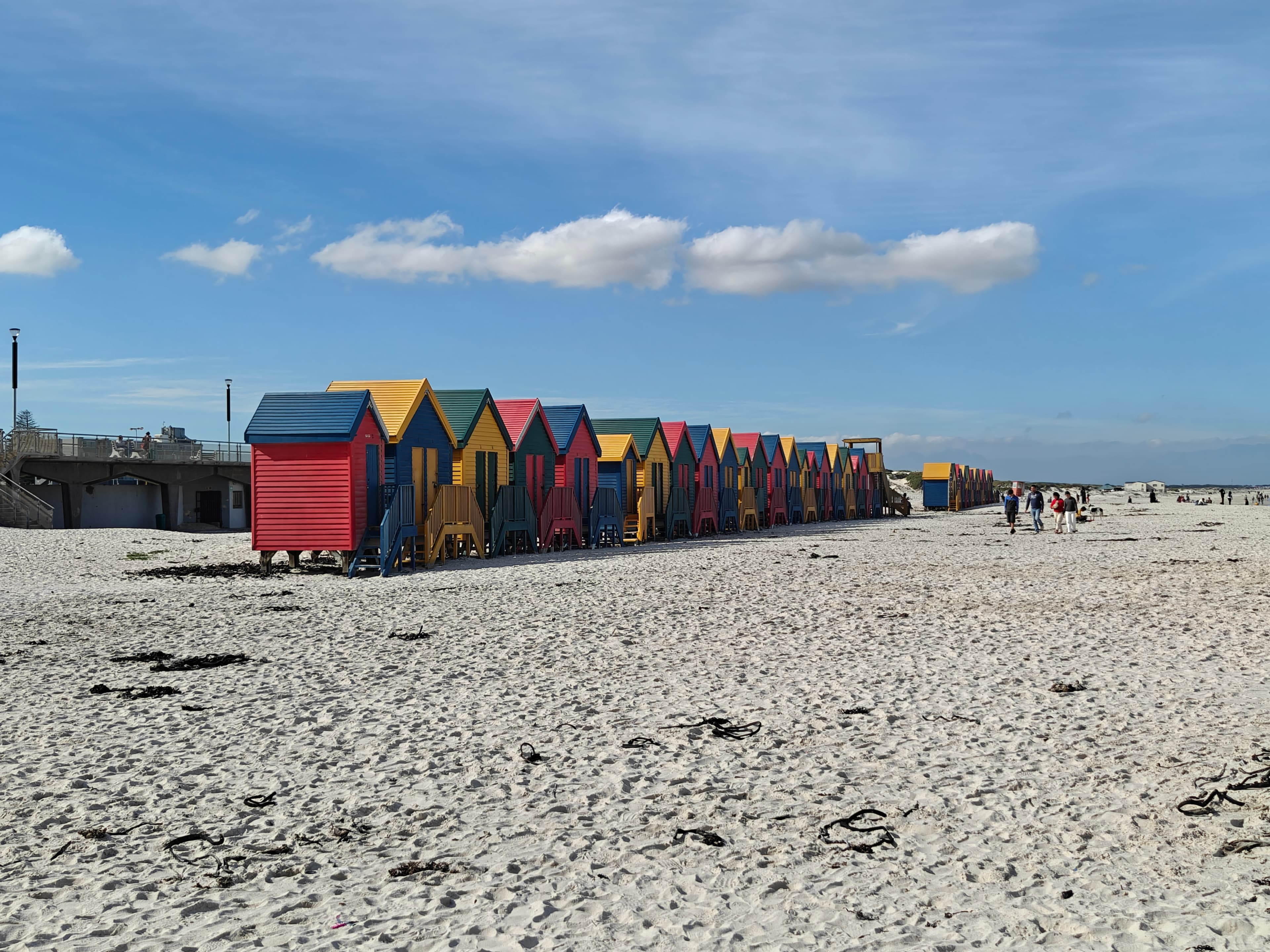 Adventure & ActivitiesWestern Cape
Muizenberg Beach
Cape Town's friendliest surf beach, backed by a rainbow row of Victorian bathing boxes on the warmer False Bay shore.
Verified · 2 sources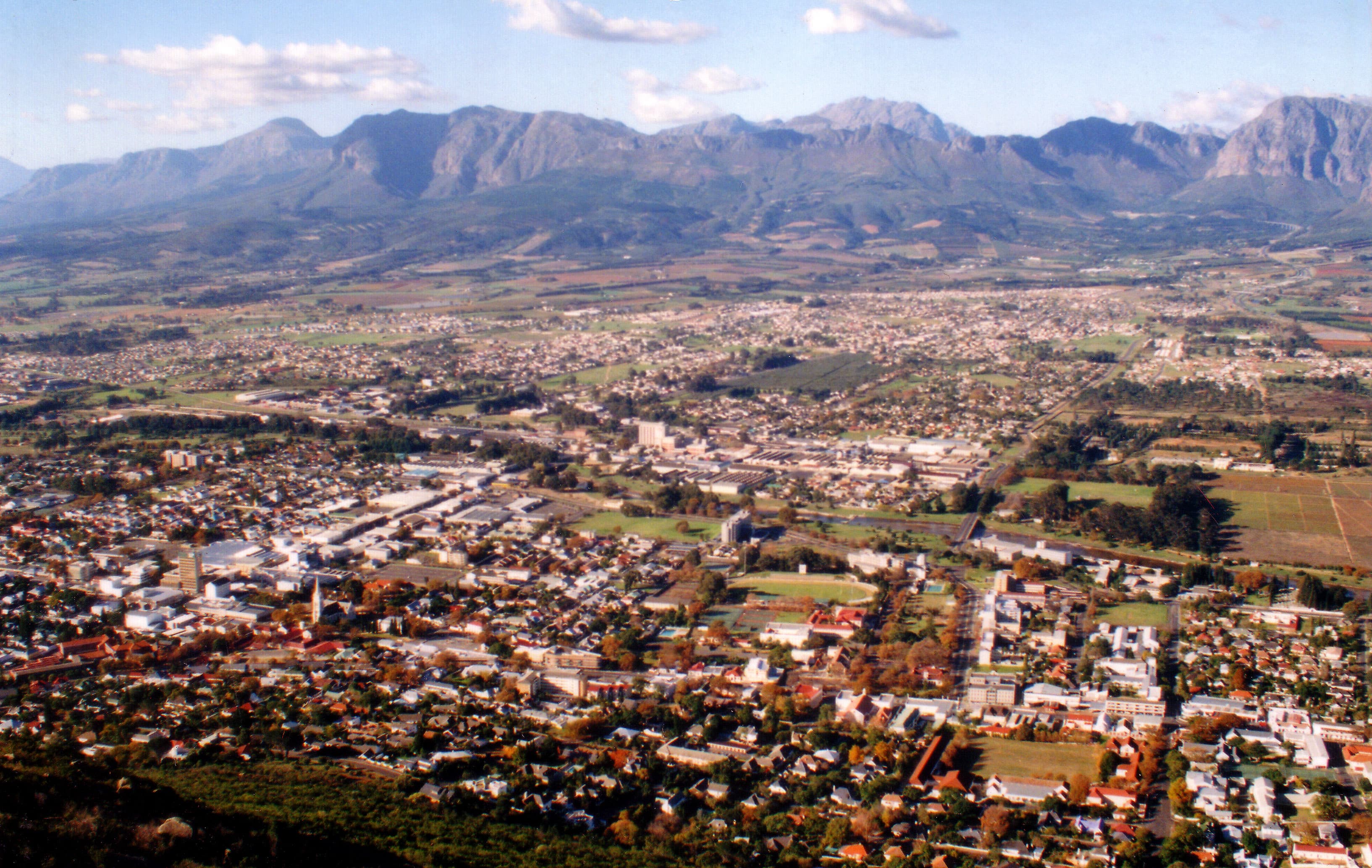 Wine & FoodWestern Cape
Paarl
Beneath three granite domes that glisten like pearls after rain, Paarl pours storied Cape wines in the shadow of a monument built to a language.
Verified · 4 sources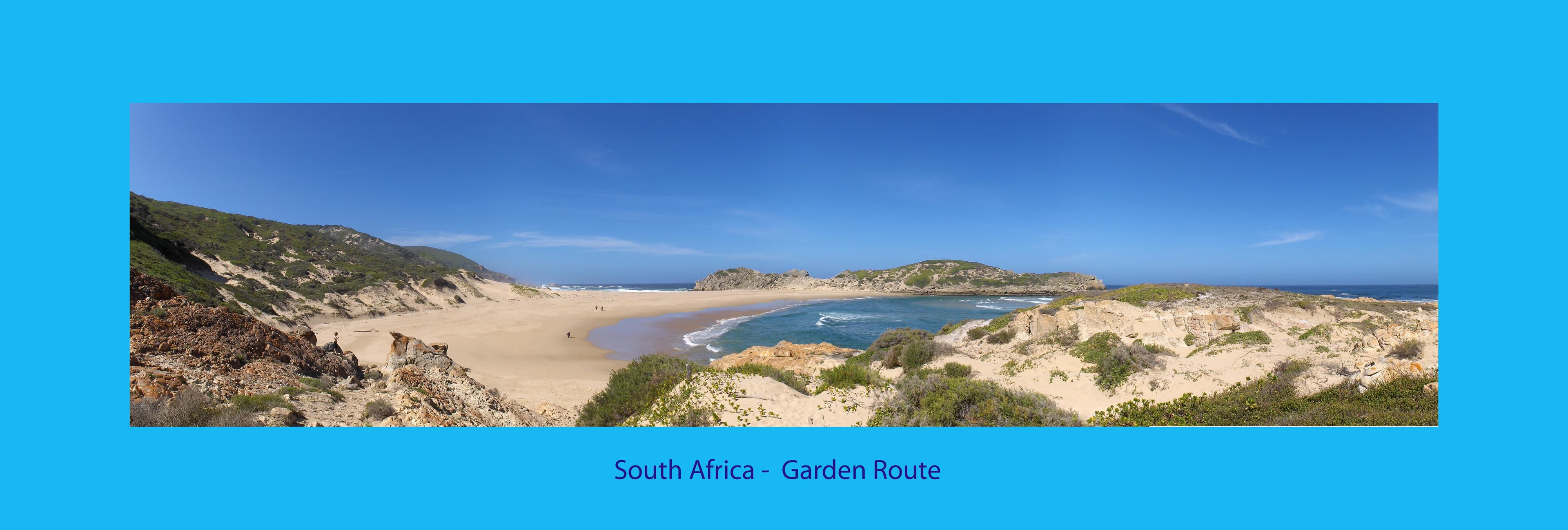 Beaches & CoastWestern Cape
Plettenberg Bay
Southern right whales calve within sight of golden Garden Route sand at Plettenberg Bay — one of only a handful of coastlines worldwide accredited as a Whale Heritage Site.
Verified · 4 sources- Culture & HistoryWestern Cape
Robben Island
The island prison where Nelson Mandela spent 18 years — now a World Heritage Site.
Verified · 2 sources 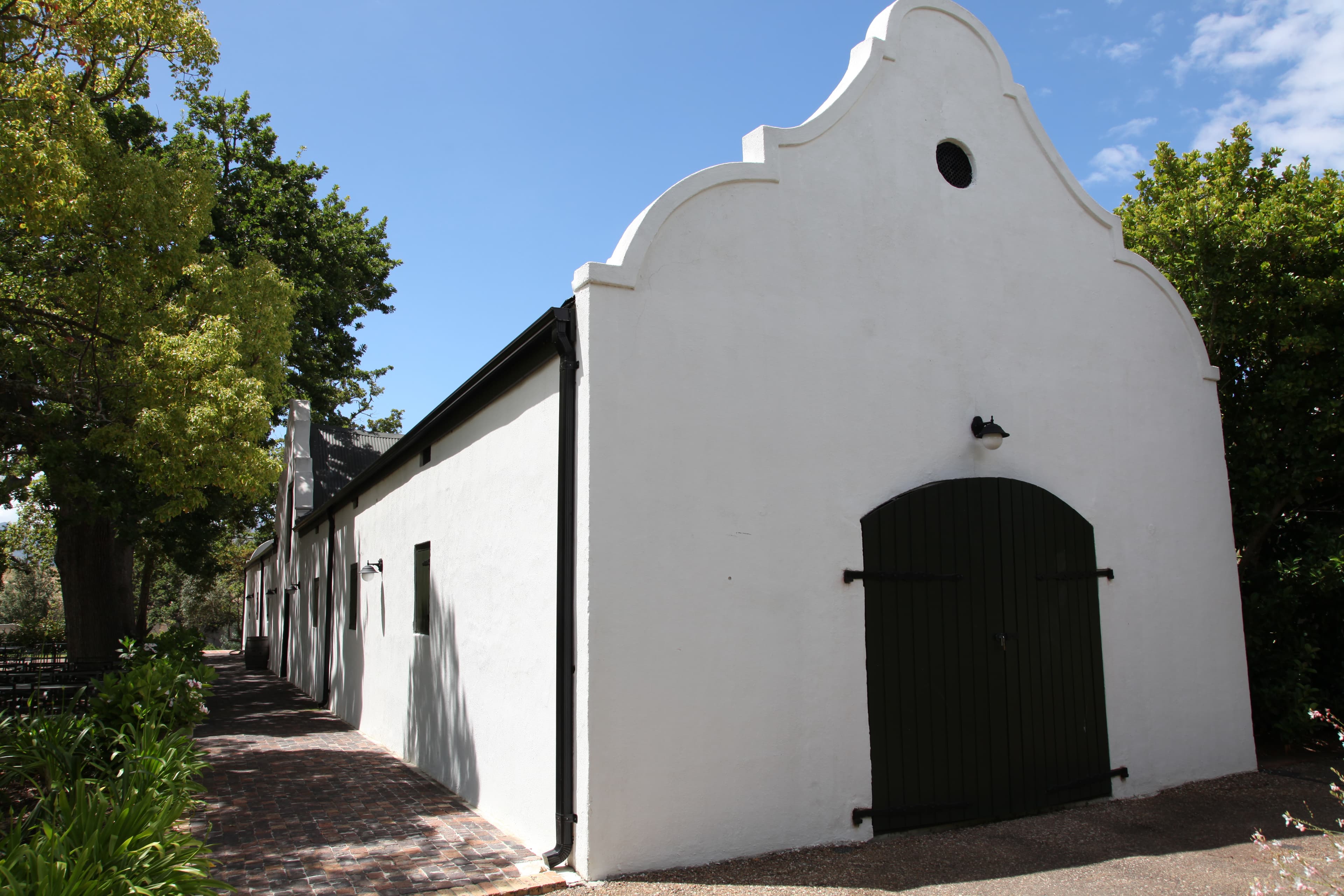 Wine & FoodWestern Cape
Spier
A 1692 Stellenbosch farm that keeps its wine in what it describes as the country's oldest dated cellar — and hangs a thousand contemporary South African artworks across its barns, lawns and hotel corridors.
Verified · 6 sources- Wine & FoodWestern Cape
Stellenbosch
Oak-lined streets, Cape Dutch gables and one of South Africa's oldest wine routes.
Verified · 1 source - Landmarks & CitiesWestern Cape
Table Mountain
Cape Town's flat-topped icon — reachable by cableway or a hike up Platteklip Gorge.
Verified · 2 sources - Landmarks & CitiesWestern Cape
V&A Waterfront
Cape Town's buzzing harbour district — and the ferry gateway to Robben Island.
Verified · 1 source 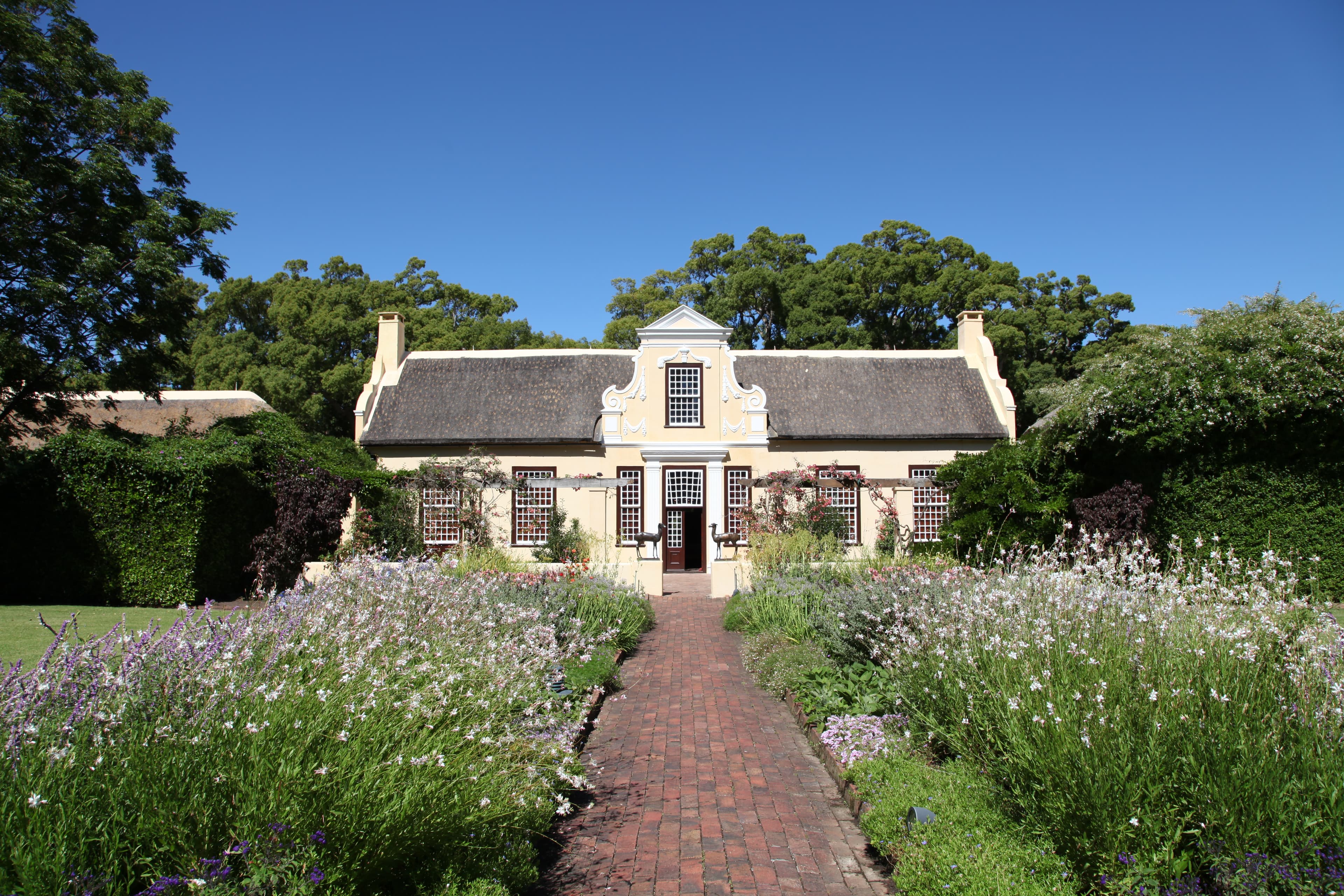 Wine & FoodWestern Cape
Vergelegen
Granted to a governor on 1 February 1700 and taken away from him seven years later — and the five camphor trees he planted at the gate were declared national monuments in 1942.
Verified · 6 sources


Sources
Verified · 7 sources
- UNESCOCape Floral Region Protected Areas — UNESCO World Heritage ListUNESCO World Heritage Centre
- GovernmentFynbos BiomeSANBI — PlantZAfrica
- GovernmentProtea cynaroides (king protea), the national flowerSANBI — PlantZAfrica
- GovernmentBoulders Penguin Colony, Table Mountain National ParkSANParks
- MediaAfrican penguin uplisted to Critically Endangered (2024)BirdLife International
- Tourism boardWeather in Cape TownCape Town Tourism
- Tourism boardWhale season in HermanusCape Whale Coast / Whale Hermanus
Facts last reviewed Aug 26, 2026.
Provincial capital confirmed via South Africa Info.